
On 3 January 2026, US forces kidnapped Venezuelan President Maduro and his wife, charged them with narco-terrorism, and put them in a New York prison. On 24 June, Venezuela was hit by two earthquakes, and the American troops deployed off the coast ahead of a planned invasion rolled in instead as earthquake relief. Two months later, Washington stole Russia's and China's oil contracts with Venezuela.
According to media reports, the new American contract, which has so far not been made public, has gone to a joint venture formed by the US Government together with North American Blue Energy Partners (NABEP), a Barbados-registered company controlled by the Venezuelan businessman Alejandro Betancourt López.
The Pentagon is reported to hold a passive 35 per cent stake through so-called penny warrants, instruments that confer shareholdings without any significant outlay of capital. The State Department obtains the right to buy 20 per cent of production at cost, plus a right of first refusal on the remaining 80 per cent. Washington also has veto power over appointments to NABEP's Board, a majority of whose members must be US citizens. The agreement was signed by Defence Secretary Pete Hegseth and Secretary of State Marco Rubio.
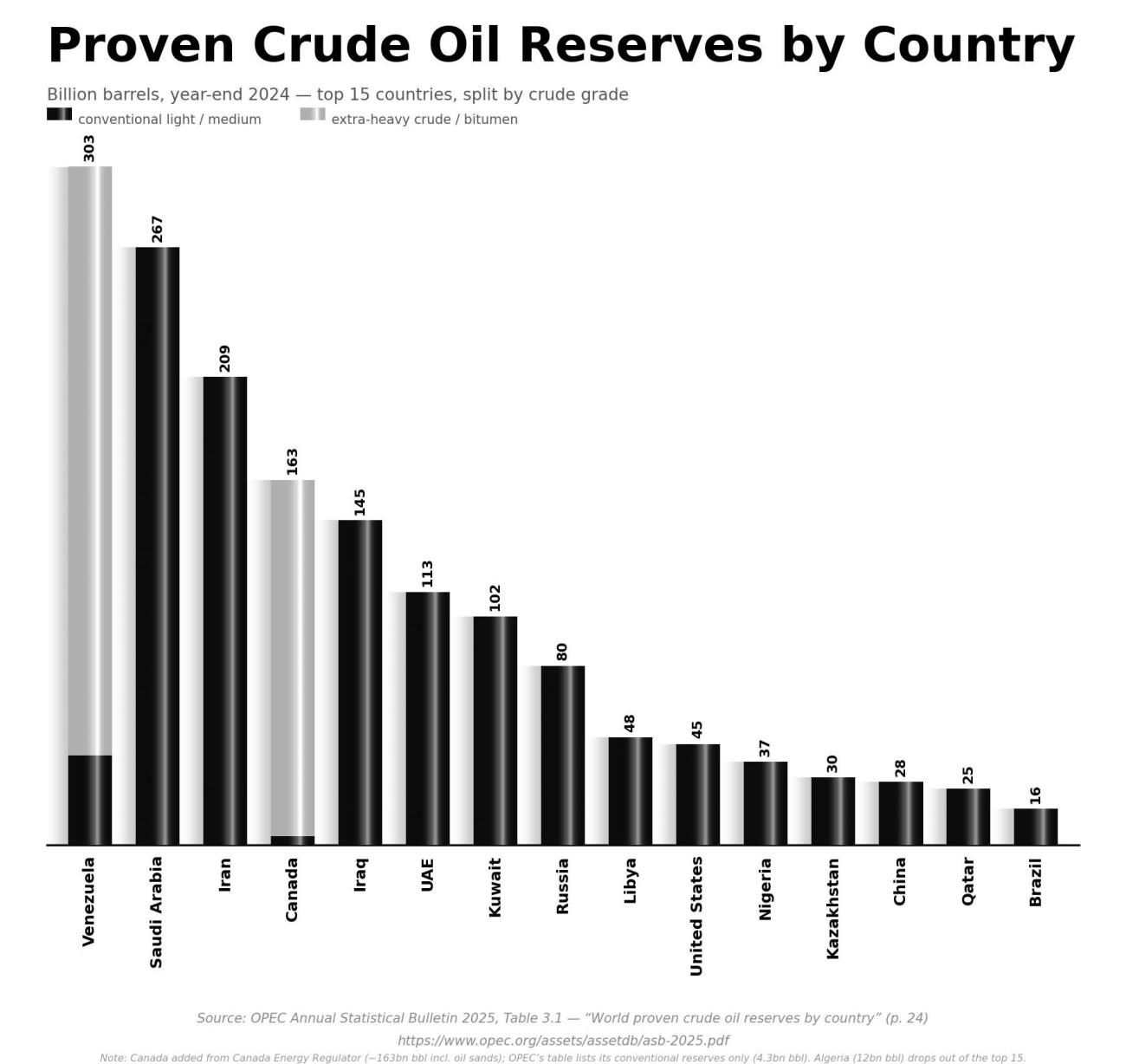
The deal covers an estimated 65 billion barrels across 17 oilfields. Venezuela is thought to have the planet's largest known oil reserves.
The Trump Administration says the new contract runs for 100 years. Reuters reports that Venezuela's acting president Delcy Rodríguez says it applies for 25 years.
The earlier contracts with Russia and China ran initially for 25 years, beginning in 2009 and 2010 respectively, and were expected to run until at least 2035, with scope for extensions.
After the deal, US President Donald Trump proclaimed on Truth Social: “THE BIGGEST OIL DEAL IN WORLD HISTORY! … This Historic Transaction MORE THAN DOUBLES American Oil Reserves, greatly increases our Oil Supply, and will substantially lower Gas Prices for all Americans, long into the future”.
China, which lost the most, responded within a day through its Foreign Ministry spokesperson, Guo Jiakun: “China's legitimate rights and interests in Venezuela must be safeguarded”.
Russia's only public comments this year have been muted legal markers rather than a direct response to the seizure. Roszarubezhneft asserted in January that it retained ownership of its assets, and in February, Foreign Minister Lavrov called earlier American restrictions “blatant discrimination”.
China's and Russia's Presence in the Western Hemisphere
China's overall presence in the Western Hemisphere remains substantial and largely untouched by Washington's Venezuelan oil theft. Trade between China and Latin America reached $510 billion in 2024, almost double the figure of ten years earlier. Four countries, Brazil, Mexico, Chile, and Peru, account for 76 per cent of that trade.
Beijing's regional flagship project, the $1.3 billion Chancay megaport in Peru, opened at the end of 2024 and is designed to reroute trade with Asia and the Pacific around the Panama Canal, which was once built by the United States.
Russia's presence in Latin America is smaller and more political and military in character, based on Cuba and located in Nicaragua and Venezuela. About four months after Maduro was kidnapped in January 2026, Russia ratified an expanded military cooperation agreement with Nicaragua covering joint training and intelligence sharing. Moscow also still operates a ground station for the Glonass satellite system in the country, which US officials fear is a signals intelligence (SIGINT) facility.
The Oil Itself
Behind the headline of the world's largest oil reserves’ lies the reality that not all barrels are worth the same, and that Venezuela sits at the weaker end of that scale.
Among the world's largest holders of oil reserves, Venezuela’s crude is most expensive to extract and refine for turning into usable products such as petrol and diesel.
The cost of extracting oil can vary by up to a factor of 20 between producers: from around $3.50 a barrel in Saudi Arabia to about $41–$43 for extracting oil or $70 for new projects from Canada's oil sands, while the extraction cost for Venezuela's crude is $22–$46.
America Will Soon Be Fully Self-sufficient
The US has been a net exporter of oil since 2020, selling 10.7 million barrels a day abroad in 2025 while importing 7.9 million barrels. In April and May 2026, a magic threshold was crossed when US net imports dropped below one million barrels a day, while exports set records.
But the US is still a net importer of crude oil.
The refineries on the Gulf of Mexico are built for heavy, high-sulphur crude rather than the domestic American light shale oil. Forty per cent of the crude processed in American refineries is therefore imported. Canada accounts for around 60 per cent of those imports, and Mexico for a further 8–10 per cent.
Venezuelan oil is expected to replace these imports from Canada and Mexico. The question is how quickly Venezuela's neglected oil sector can be brought back up to standard and how fast the refineries can switch to a different crude mix. Optimistic analysts guess 18–24 months.
Just like North America, South America produces more oil than it uses, though with the same imbalance as in the north: several countries lack the capacity to process the crude they extract and therefore import finished fuels, no matter how much oil they produce themselves.
Timelines
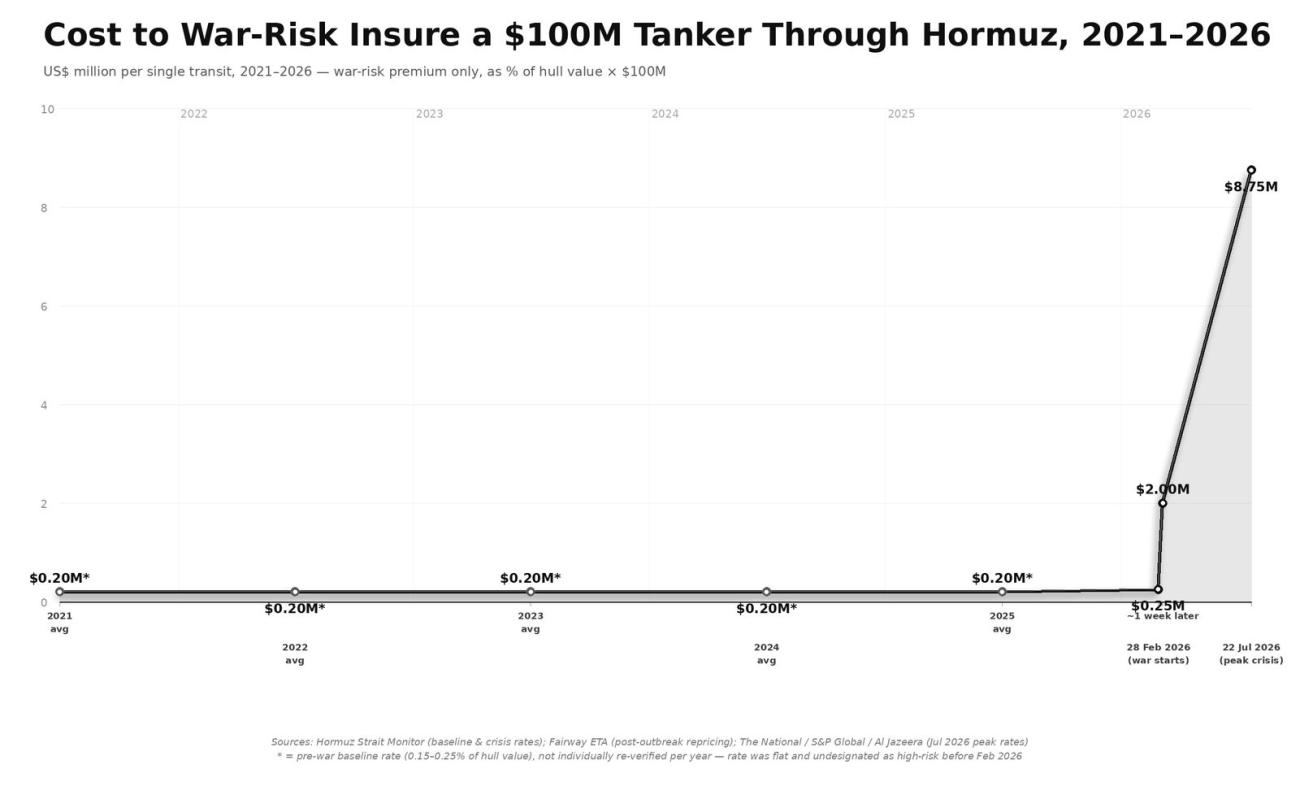
Lay the timelines for the US actions against Venezuela in 2026 and the Iran war of the same year side by side, and it looks more like two cogs working in tandem than two separate projects.
Lay the timelines for the US actions against Venezuela in 2026 and the Iran war of the same year side by side, and it looks more like two cogs working in tandem than two separate projects.
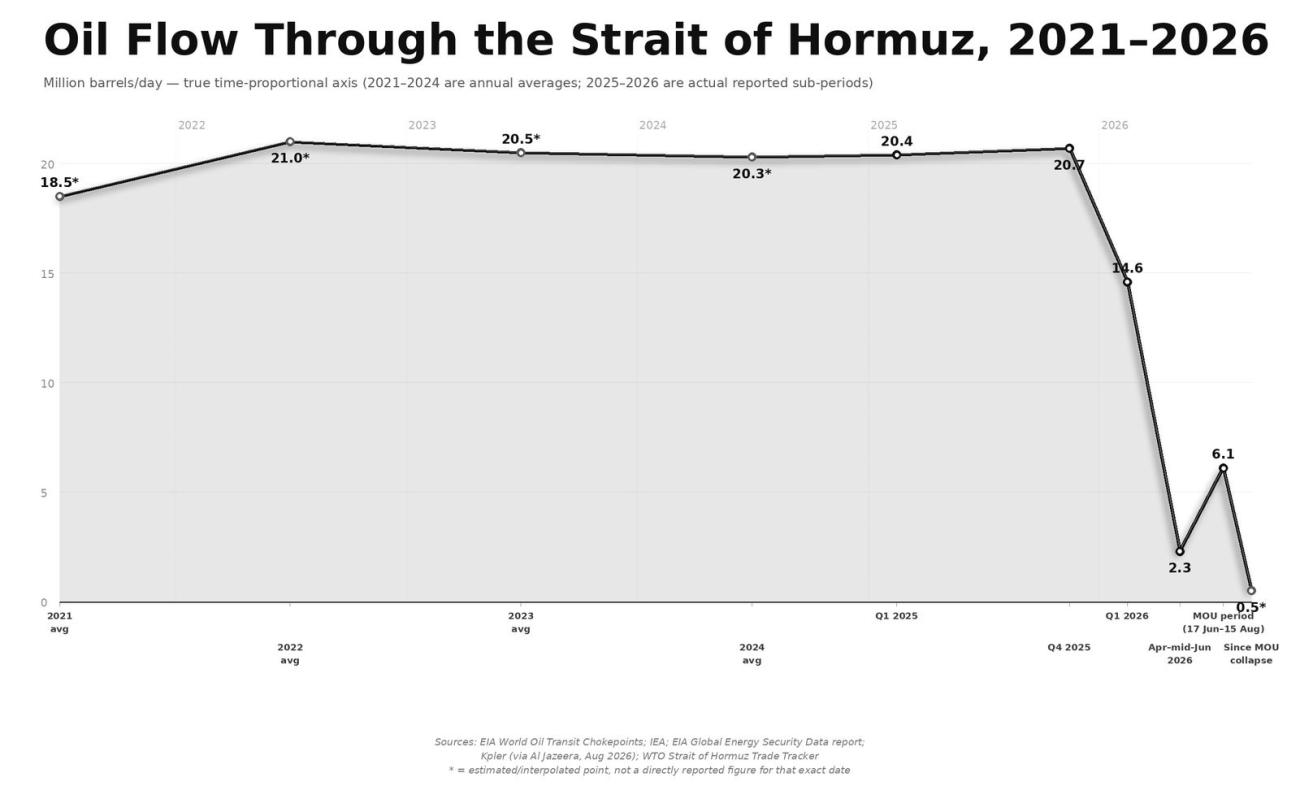
Or is there a plan to force a re-drawing of the global geopolitical map by deliberately disrupting oil flows in the Eastern Hemisphere?

Kristoffer Hell
Kristoffer Hell is an independent writer and journalist covering high politics and how technology shapes human experience. He holds an MLitt in Strategic Studies from the University of Aberdeen and a Diploma in News Journalism from the London School of Journalism. He previously worked as a software developer, contracting in banking, pharmaceuticals, and retail.