To understand the crucible of present-day Lebanon, one must confront the ruthless convergence of colonial warfare and the crisis of capital, wherein the concerted onslaught orchestrated by Israel and its Western guarantors in Washington is demanding the structural annihilation of not only south Lebanon, but also its people. And still, within this brutal theatre of imperial violence, the unyielding resolve of the resistance, forged from decades of popular struggle, anchors a defiant counter-hegemonic front that continues to disrupt this ongoing campaign of genocide.
For years, Lebanon’s ruling class, deeply tied to transnational capital, has enriched itself while enforcing the South’s working class to absorb the costs of institutional collapse. The current, ongoing Israeli bombardment operates as the raw, physical arm of the same exclusionary order, clearing the ground through systematic destruction, turning indigenous agriculture and local heritage into collateral damage for a regional strategy dictated from the halls of Washington.
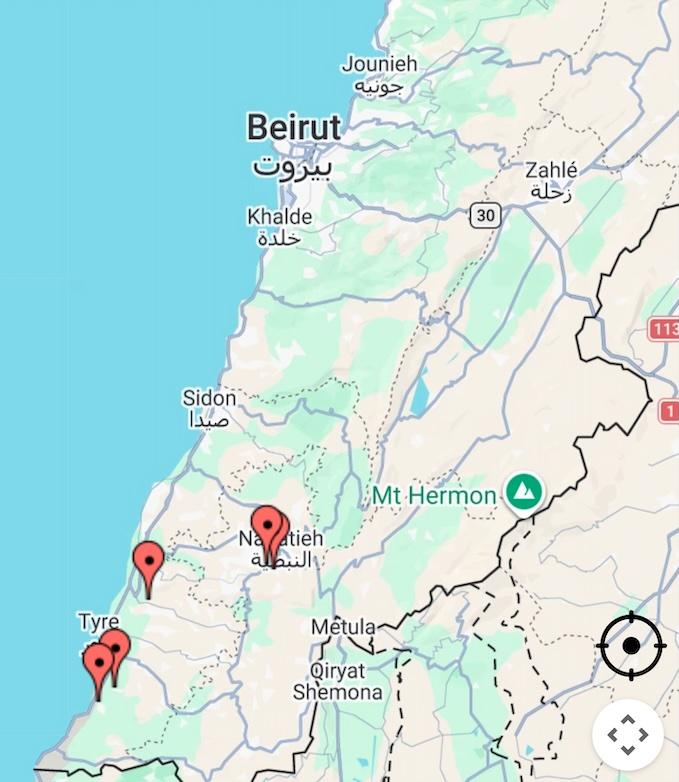
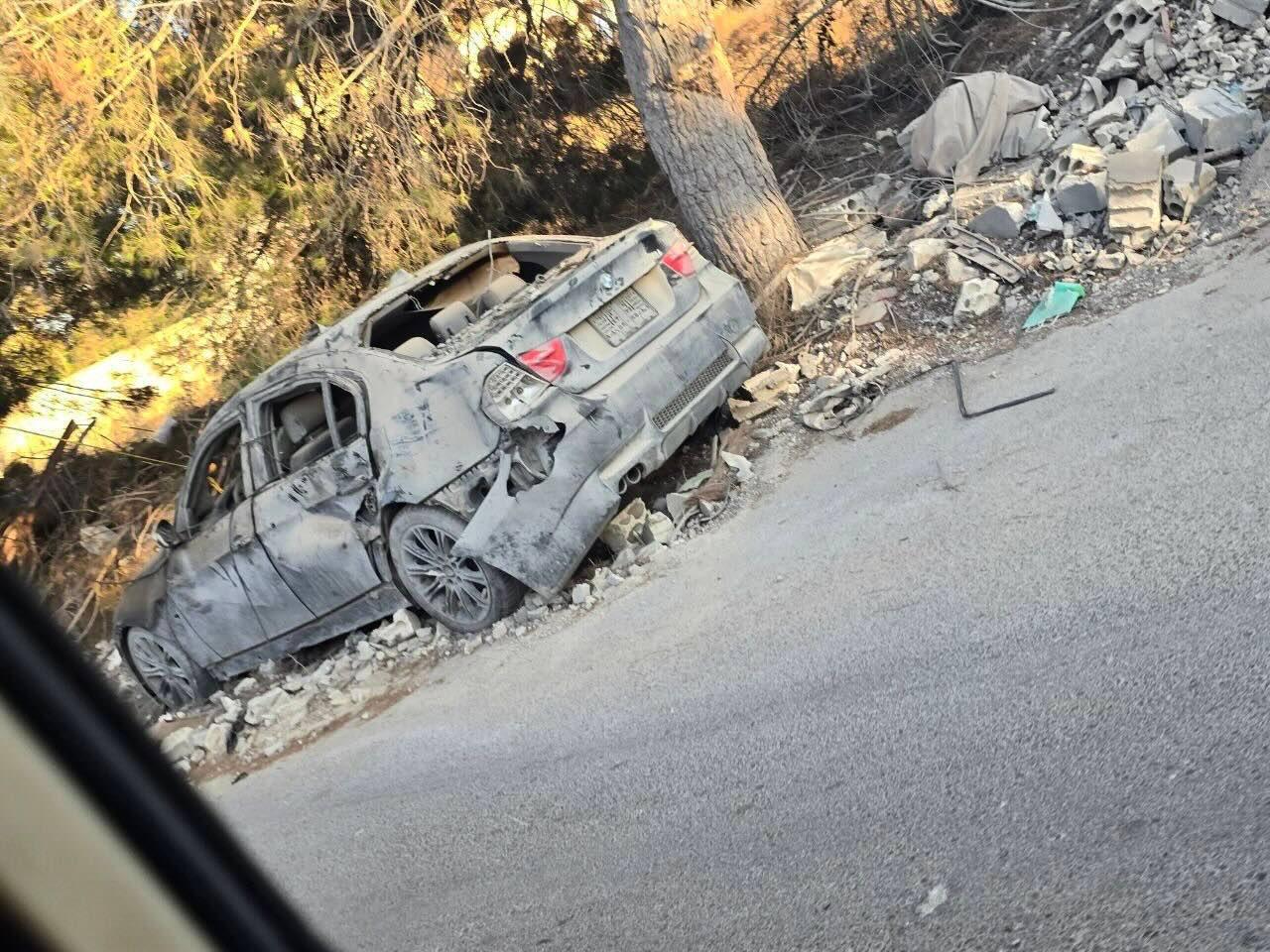
In Mansouri and neighbouring Majdal Zoun, the escalation on the ground is direct, and destruction is deliberate. Israeli forces have flattened residential homes across Meshaa al-Mansouri through controlled demolitions, while low-flying drones drop sound bombs over the town. Along the road between the two villages, heavy machine-gun fire and armoured incursions have targeted areas right next to Lebanese Army checkpoints, occasionally forcing troops to fall back toward Al-Amriya.
Locals are aware of this reality. As I made my way through Shoukine in hopes of entering the village of Zawtar al-Gharbiya, I was told that despite official reports from the Lebanese Government claiming the village was open to its native population, the Lebanese Army had imposed a curfew, leaving many stranded in neighbouring towns.
“The Prime Minister [Nawaf Salam] planted a Lebanese flag in Zawtar so he could make the world believe his government accomplished something with this [pilot zone] project, but here we are, still,” a village elder told me. “It is all theatre, and the people who believe that this government is liberating the south are fools or are taking part in this play.”
What is happening across Lebanon’s southern municipalities reflects a deep structural alignment between domestic administrative bodies and external political pressures. The capitulation of Lebanon’s central government has been codified through a so-called ‘framework agreement’ that intends to transform the Lebanese Armed Forces into an internal barrier for Israel. Israel has made it clear in no uncertain terms that it is intending to continue its occupation of Lebanese land. Rather than acting as a protective shield, the Lebanese state apparatus continues to treat forcibly displaced Southerners as a logistical liability, enforcing strict military checkpoints and security clearance procedures to block their return while Israeli bombardment continues to target their villages and neighbourhoods.
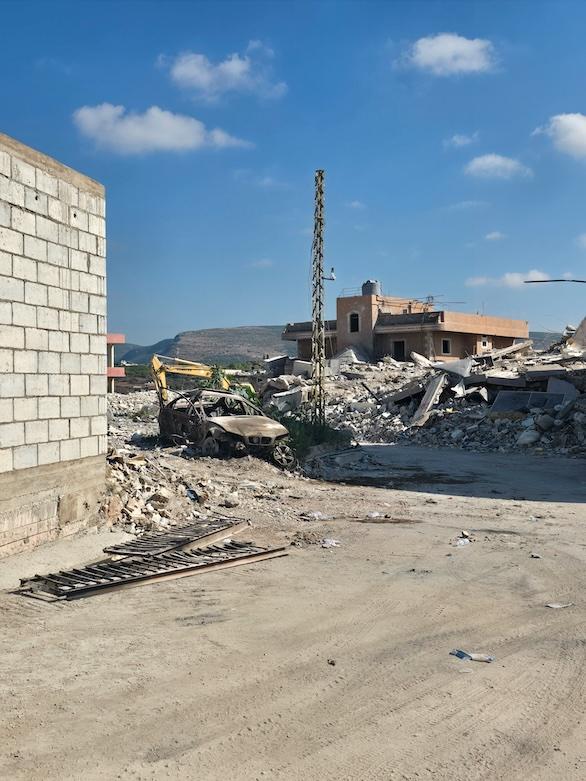
Yet, speaking with locals gathered near the cordoned-off town centres, it is clear that the social fabric of the south refuses to break. As I made my way through Shoukine in hopes of pressing onward to Zawtar al-Gharbiya, the reality on the ground laid bare the bitterness of this betrayal. Fady, a young student in Nabatieh whose education was cut short by Israeli airstrikes — and who lost both his aunt and his family home — captured the mounting anger of a neglected populace: “What is the Lebanese government doing for us, exactly? Do they expect us to celebrate this agreement when Israel is still attacking us?”
That sentiment echoes across countless southern municipalities. Another forcibly displaced resident from Tyre voiced a widespread conviction among locals who see the central administration as fully complicit in their displacement, noting that many view the ruling elite as having ‘sold the South for the sake of getting something from the US’.
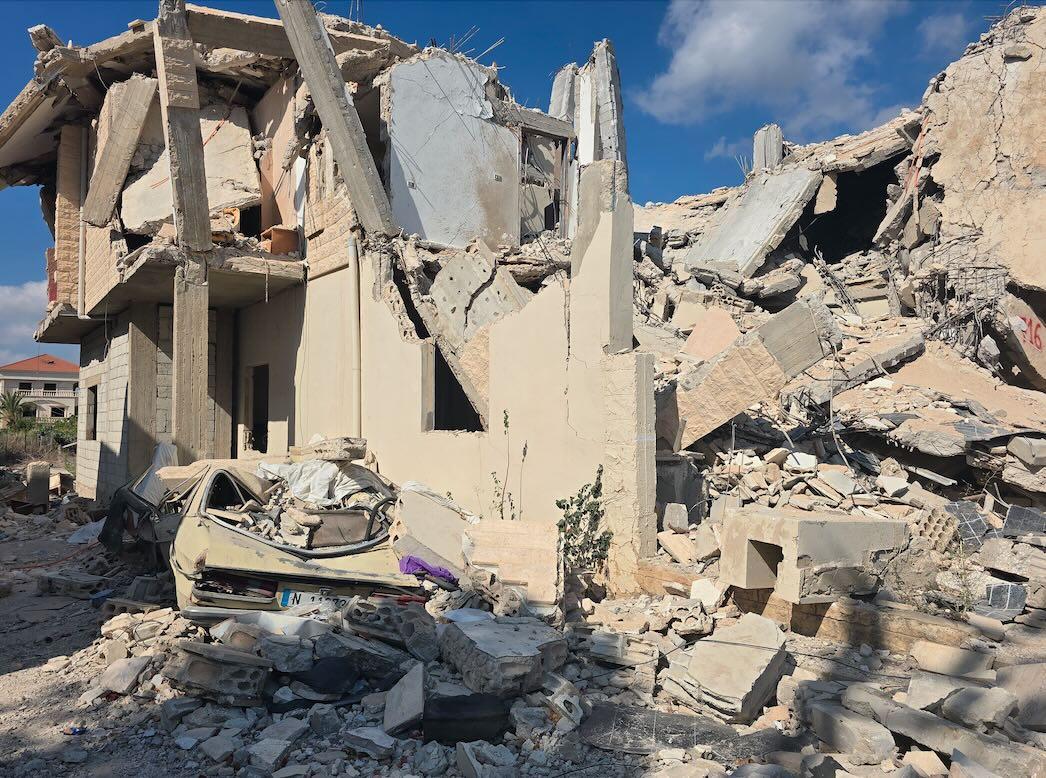
Despite state neglect and the bureaucratic blockades being enforced by the Lebanese military, residents in villages like Mayfadoun and the surrounding areas view their land not just as property to be reclaimed, but as an intergenerational archive of survival against successive Israeli invasions. By stubbornly holding on to their right to return, the people of the South continue to expose the profound fragility of a domestic client state attempting to enforce submission from above.
“Until the last Israeli leaves our land, we will remain here,” a man from the town of Braiqa told me. “Everything destroyed can be rebuilt, and the people of the south will be the ones to rebuild it with our own hands.”
As Israel maintains a firm grip on parts of south Lebanon, and the Lebanese Government pursues Western approval, the native population of south Lebanon finds itself more committed to the pursuit of liberation. This hardened and organic resolve is forged directly in the fire of daily survival, where the dual assault of Israeli occupation and institutional betrayal has stripped away any lingering illusions regarding the legitimacy of the current political order.
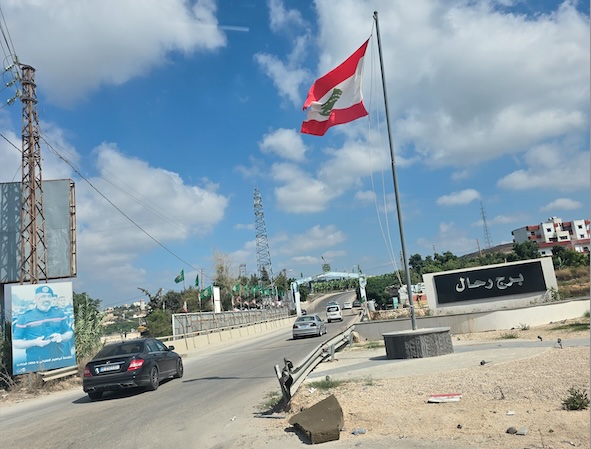
Cover image: The entrance to Burj Rahhal, southern Lebanon. Photo: Roqayah Chamseddine