A notification arrived in the dead of night in early September bearing the devastating news of an Israeli airstrike that had torn through a family home in Kfar Rumman, a village just north of Nabatieh in southern Lebanon. Residents of the village immediately called one another as they attempted to establish the exact sequence of events and verify who might have been trapped in that house. Their names surfaced gradually until the horrifying truth became inescapable: an entire multi-generational household had been caught completely unaware as they slept when an airstrike razed their house to the ground. The smell of death and sulphur enveloped the area for days — an odour many in the area have come to expect after an attack.
By examining these tragedies, we can see how geography in southern Lebanon is now intimately tied to vulnerability. Kfar Rumman occupies a specific area in the Nabatieh district that places its neighbourhoods directly beneath Israeli flight paths and within range of ongoing heavy artillery and aerial munitions. The village itself has historically functioned as an agricultural centre that provides both sustenance and an anchor to the residents’ ancestry. When Israeli aggression unfolds in these regions, places further north like Kfar Rumman often absorb waves of forcibly displaced people from even more exposed border villages. This creates a large network of southern Lebanese communities sharing homes and resources. They often know one another through their ancestry. In this story, I explain how Israel targeted a home that was an ancestral anchor for multiple branches of the same lineage.
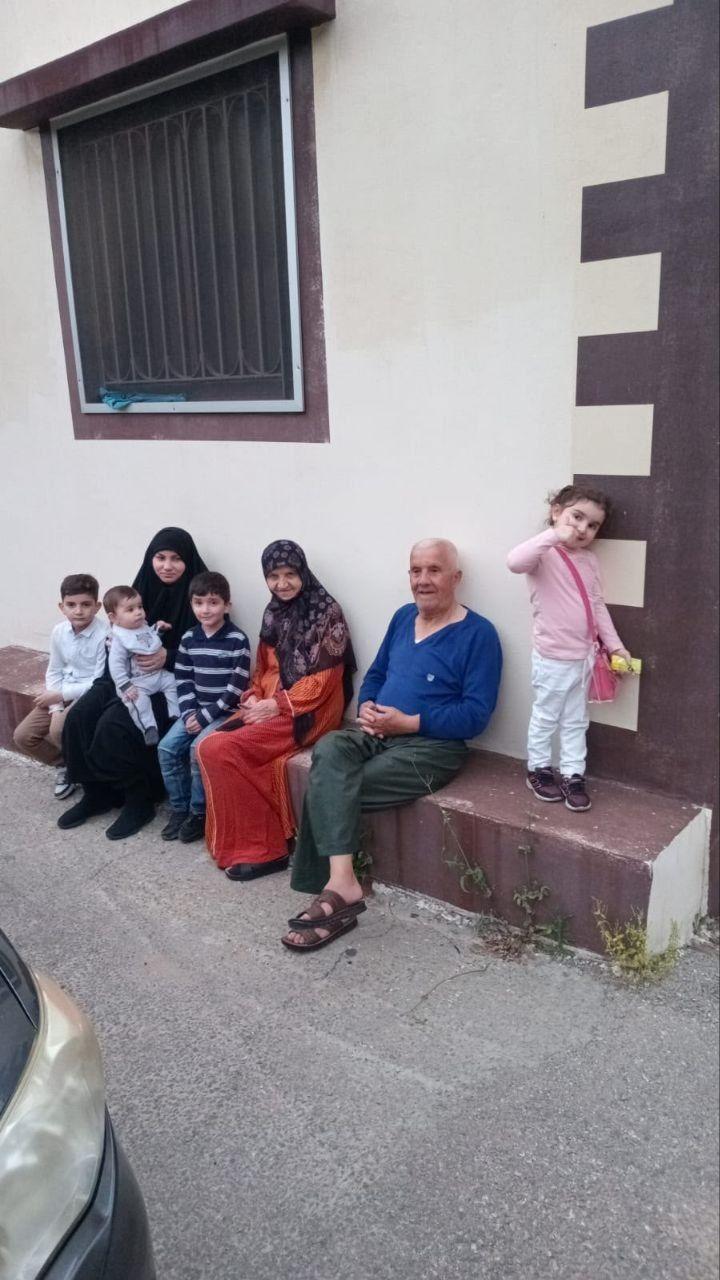
Visiting the area after the massacre, one could not help but feel overwhelmed by the sheer magnitude of the attack and the impact it had on local people.
Dr Lina Mortada Farhat, a Lebanese paediatrician and an aunt to the children who died in the attack, was one of the relatives who received those pre-dawn telephone calls. Operating within a medical system stretched to breaking point by months of continuous casualties and the deliberate Israeli collapse of infrastructure, Dr Farhat was forced to confront the attack both professionally and personally. She was desperately trying to piece together what had happened while neighbours and surviving family members were still combing through the home’s debris in a fast-moving search for survivors.
“We woke up to news that a bombing had targeted a civilian building in Kfar Rumman, and then phone calls started coming in from the village, and we learned that this was a building belonging to a family. The names started appearing little by little”, Dr Farhat told me.
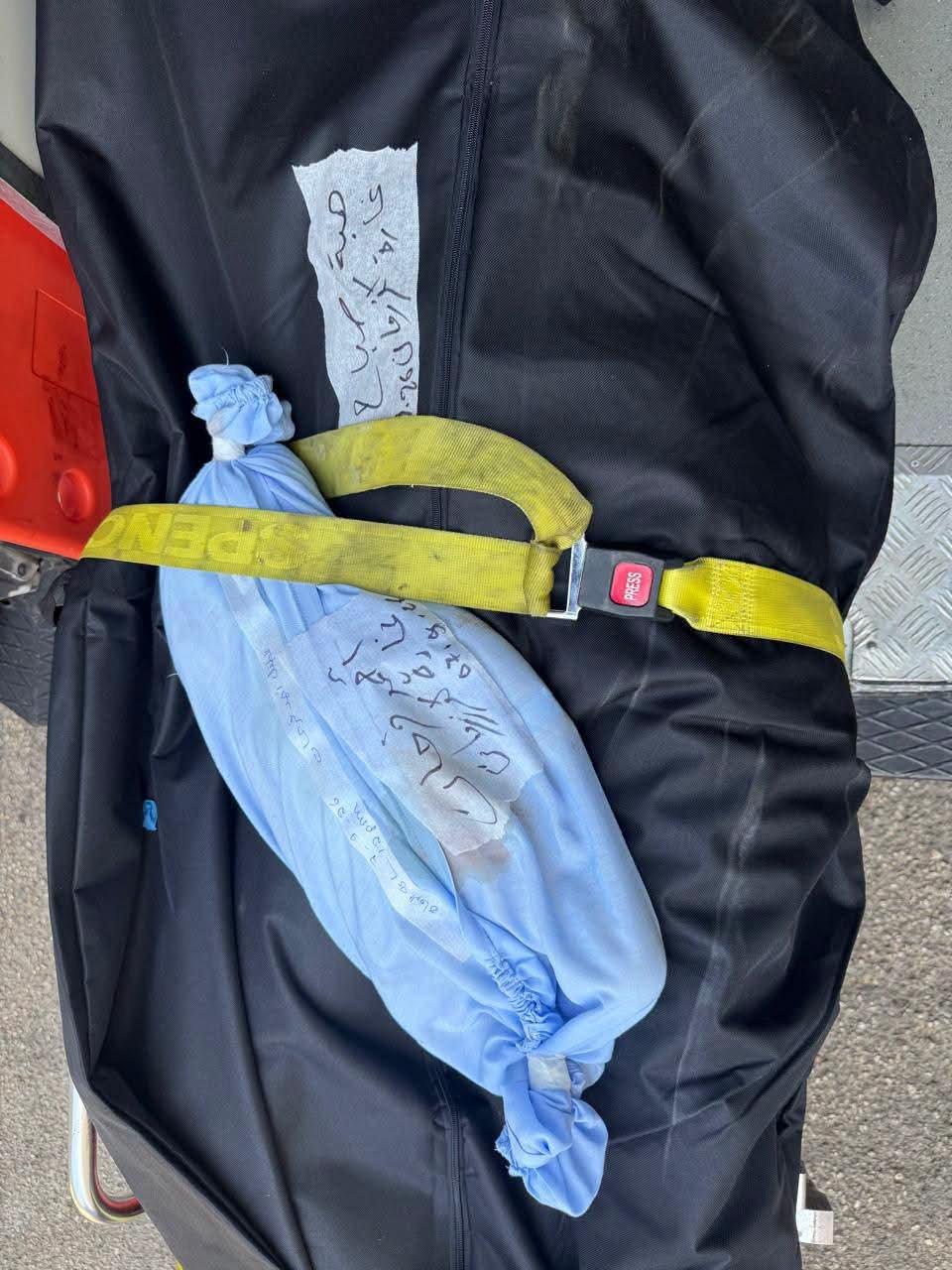
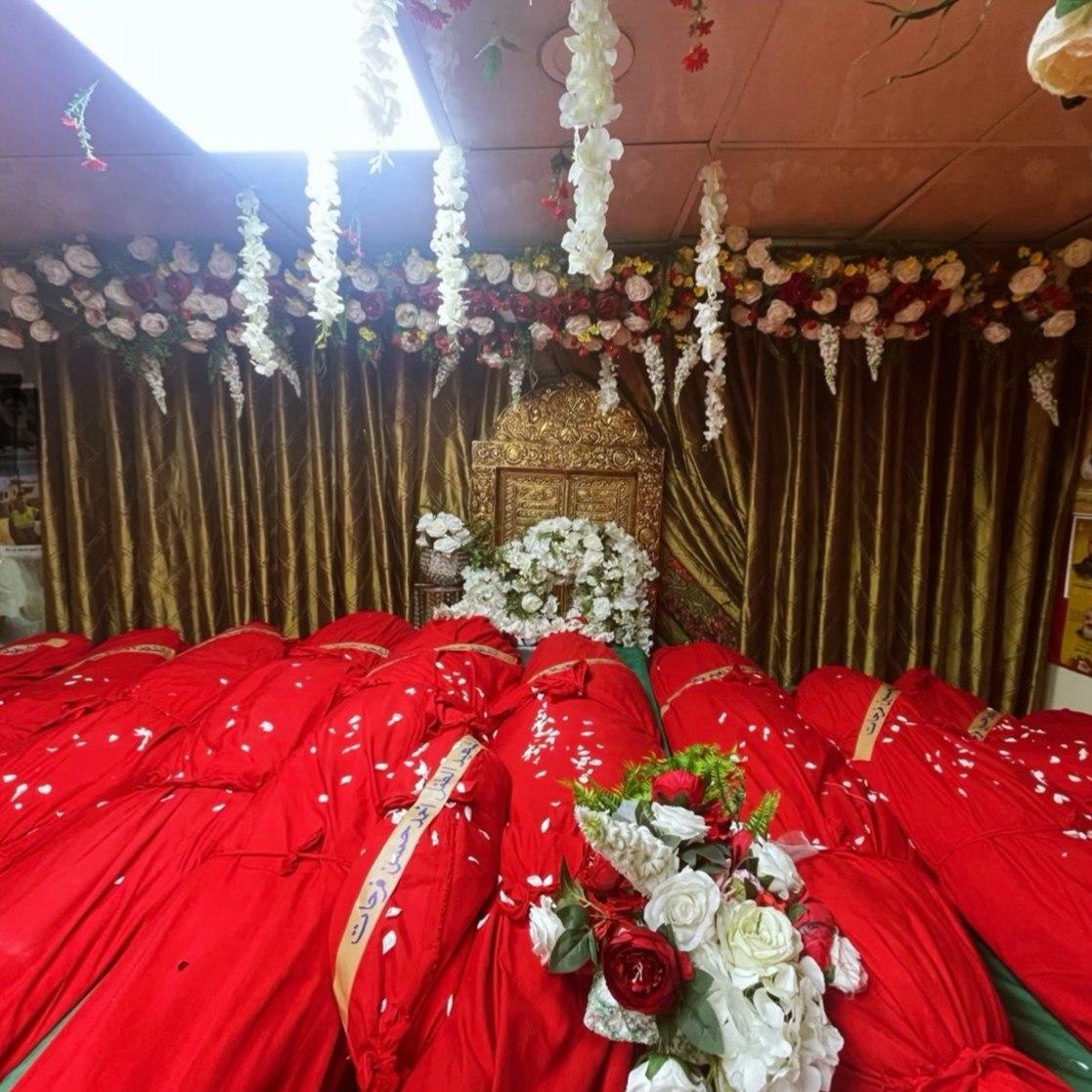
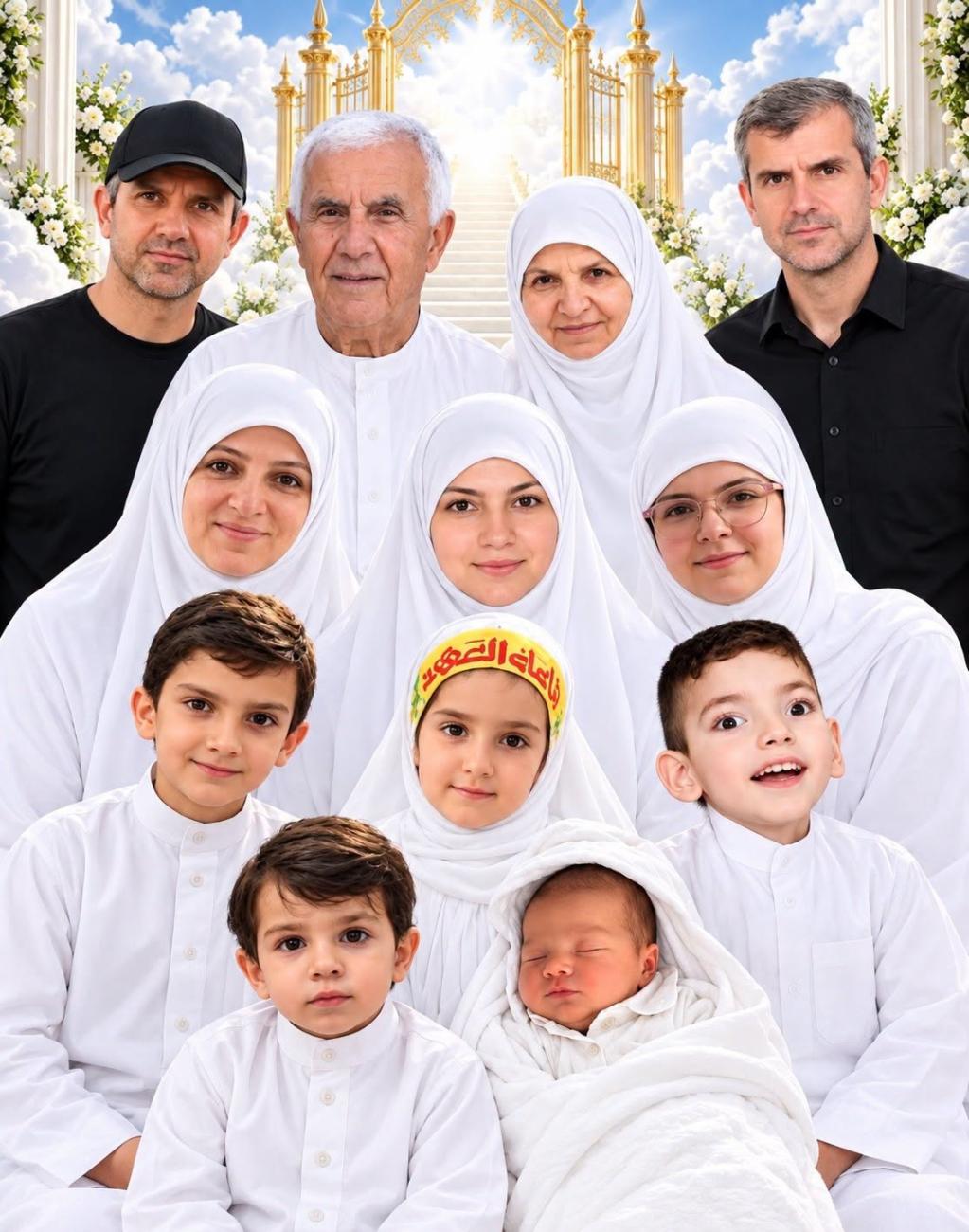
Fourteen people lived in the destroyed house, including grandparents, their twin sons Hassan and Hussein, their wives Zahraa and Hiba, and eight children. Twelve individuals were killed in the attack, which destroyed the house in a fraction of a second. Six of the deceased were minors, including a baby just a few weeks old.
In southern Lebanon, siblings, their spouses, and their children often share a home to pool resources. Care for ageing parents, childcare, and housework are distributed among the adults. Within this particular household, the daily rhythms accommodated Ahmad, a child with special needs who required constant, specialised attention. A family friend told me that he was never made to feel different, and his family doted on him. Neighbours observed how his family catered to his needs with patience and devotion. Their shared environment featured a carefully tended garden where they ate together, with a section where children played freely. The house held memories of laughter, conversations, and support characteristic of the tightly-knit rural communities in this region.
They had been living under the persistent fear that they could die in their home at the hands of Israeli aggression. Their routines remained because humans adapt to abnormal circumstances to preserve a sense of normalcy. Children continued to play unhindered in the dusty streets, and families gathered on their balconies and in their gardens to catch the evening breeze.
Hiba had given birth weeks before the strike, and the family spent time fretting over the infant's recurring colic while exchanging traditional advice and comforting words intended to ease the anxieties of new motherhood.
“The baby was still learning how to breastfeed. After the bombing, the toys were scattered everywhere”, Dr Farhat said.
Home should represent security, but theirs had become a site of endurance. The toys found scattered across the rubble hours after the explosion were reminders of the interrupted lives of youngsters whose biggest concerns should have been playtime and school. The infant was subjected to the same force that obliterated her parents and grandparents. In rural Lebanese households, the arrival of a baby is traditionally celebrated with family and neighbours, but Hiba's postpartum weeks were instead lived under threat.
In the days before the strike, relatives had implored family members to leave the area as the Israeli bombardment intensified. However, repeated forced displacement had already exhausted them. Ahmad’s requirements compounded the burden, making every move a logistical nightmare.
The family previously had to flee when the attacks escalated and then returned when the danger lessened. Enduring the dangers of staying home eventually seemed preferable to embarking upon another cycle of displacement and mounting financial strain in a country where shelter is scarce and where they faced increasing discrimination, even from fellow Lebanese.
According to Dr Farhat, “The day before the bombing, we had told them that we wished they would come down because the bombing was increasing, but they were tired of constantly having to displace and return. They said ‘no, let's stay’, believing that the situation would hopefully get better.”
That decision now carries the weight of painful hindsight.
Fleeing further north is complicated, uncertain, and costly. For families with disabled members, it becomes even more complex, with medical equipment, dietary needs, and familiar sensory environments to consider.
The Israeli bombardment, which targeted roadways and restricted movement across the south, hampered rescue operations. Neighbours equipped with little more than flashlights, shovels, and their bare hands carried injured people away from the wreckage because emergency medical services were unable to reach the site. When a building collapses from a strike, concrete floors trap people in diminishing air pockets, requiring the use of specialised extraction equipment that can be further hindered by additional targeting. Due to these inevitable delays in professional medical care, injuries often worsen due to blood loss and shock.
A village elder said to me, “What can I say other than this is exactly what Israel is and has always been? Look around at all the blood and body parts. Children torn into pieces. This is Israel”.
The only two survivors were ten-year-old Zainab and eight-year-old Mustafa, who then became orphans with little support available to them. Zainab sustained severe trauma, including extensive burns across her lower limbs, requiring several operations. In the days that followed the attack, she sent anxious voice notes to her mother attempting to reassure her that she and Mustafa were safe and healthy. But Zainab eventually had to face the reality that her parents were already gone.
“Zainab found out, but Mustafa doesn't know, yet”, Dr Farhat revealed to me.
Sharing such news falls upon relatives who are ill-equipped to manage the psychological shock of grief — and, in Zainab’s case, orphanhood. Paediatric psychologists note that children in such extreme circumstances exhibit profound anxiety and defensive denial as their minds struggle to process the event. Dr Farhat described Zainab’s mental state:
Zainab had a really hard time; I mean, Zainab screamed, then she went quiet, and then she started asking difficult, existential questions. We don't even know how to describe their psychological state — they are completely disoriented right now. One minute they cry, the next they laugh, then they ask questions, then they go silent, deep in shock.
The oscillation between acute distress, cascading emotional numbness, and erratic behavioural responses is a classic clinical manifestation of severe post-traumatic shock disorder in children. According to recent data published by UNICEF, an estimated 770,000 children across Lebanon have experienced severe psychological distress due to Israeli attacks and mass forced displacement. When an entire universe is dismantled in a single night, the child's internal map of safety is entirely destroyed, leaving them in a state of perpetual hypervigilance and cognitive disorientation. Zainab's progression from screaming to profound silence reflects the nervous system's attempt to shut down in the face of overwhelming emotional input. The existential questions she poses challenge adult caregivers who are themselves mourning the loss of 12 family members and trying to maintain their own composure in a hospital room filled with antiseptic and the hum of medical monitors.
The individual names of the victims emerged gradually, as relatives tallied the losses that had stripped a bloodline of three successive generations in one catastrophic blow dealt by Israel. “Just as Israel goes into our villages and uproots the olive trees, it is trying to uproot our people, and that is why the family was killed”, said Dr Farhat.
The broader implications of such strikes extend far beyond the immediate casualty statistics, touching every aspect of communal survival in southern Lebanon. When multi-generational households are erased overnight, the social fabric of rural villages is torn apart, leaving ageing relatives without caregivers, communities without their cultural memory keepers, and children with layers of trauma that they will be forced to carry for the remainder of their lives. The normalisation of Israeli attacks and even mass casualties in southern Lebanon has created an atmosphere where entire families are reduced to brief news bulletins, while the survivors are left to navigate bureaucratic, medical, and psychological labyrinths with minimal to no institutional support. In Kfar Rumman, the empty plot where the multi-story home once stood remains a permanent scar for the people of the village, marking the spot where 14 human lives, spanning three distinct generations, were extinguished by a deliberate Israeli attack while they slept in their beds.
The effects of these strikes stretch beyond the casualties, disrupting survivors’ community networks and social ties. In Kfar Rumman, the site of the Farhat home is now where multiple generations of the family died.
In the following video that Dr Farhat shared online, she said she does not want any other children to endure what Zainab and Mustafa have had to endure. “We want to tell the world who they were. We won’t allow anyone to simply say Israel killed six children. These children played, and laughed, and loved, and each one of them had a story”.
Fatima Hassan Farhat, Muhammad Hussein Farhat, Abdallah Hussein Farhat, Maryam Hussein Farhat, Abbas Hussein Farhat, and Ahmad Hassan Farhat must be remembered by name. Their deaths bear testimony to ongoing Israeli assaults across southern Lebanon.
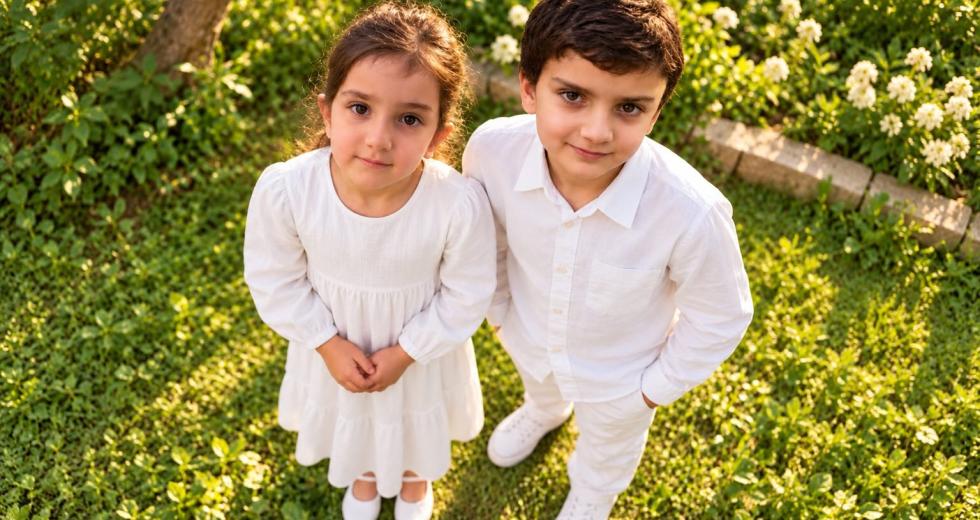
Cover image: Maryam and Abdallah Farhat. Source: Dr Lina Mortada Farhat