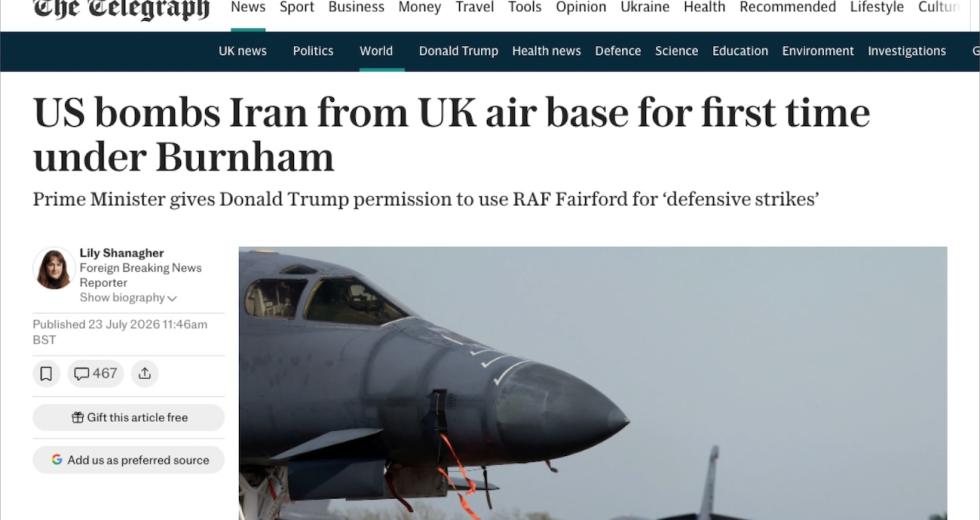
Tucked away off an obscure exit from the east-bound M4 near Swindon is a military base referred to regularly in the local press as ‘secret’. What is the connection between this obscure RAF facility and the mass destruction of civilian infrastructure in Iran in March and April this year? Back then we saw reports of attacks on the desalination plants in Qeshm Island, and commercial and energy infrastructure targets in Bandar Abbas, which also caused noted civilian casualties. There were also reports of attacks on Kashan International Airport, including on civilian infrastructure such as passenger terminals. Serious bombs were dropped in Isfahan, destroying the protected Shah Mosque heritage site and causing civilian deaths among facility workers and nearby residents.
In the recent resumption of daily US attacks on Iran, it has been reported that the planes dropping the bombs have come from RAF Fairford in Gloucestershire.
One thing connecting all these incidents is that the bombs in the long range bombers came from a little-known location in the sleepy Berkshire countryside. Perhaps it’s surprising to learn that the RAF were involved, but here’s the thing: Welford is not an RAF base any more. Rather, it’s the largest US bomb arsenal in the UK, and the second largest in Europe. The bombs stored here are transported by road to RAF Fairford where they are loaded onto long-range B-1 and B-52 bombers.
Mainstream reporting by the BBC as well as in independent media like the Canary and Declassified UK have all described the goings on at RAF Fairford. But hardly anyone seems to know about the secret munitions dump only miles away. Let’s examine what’s been going on there.
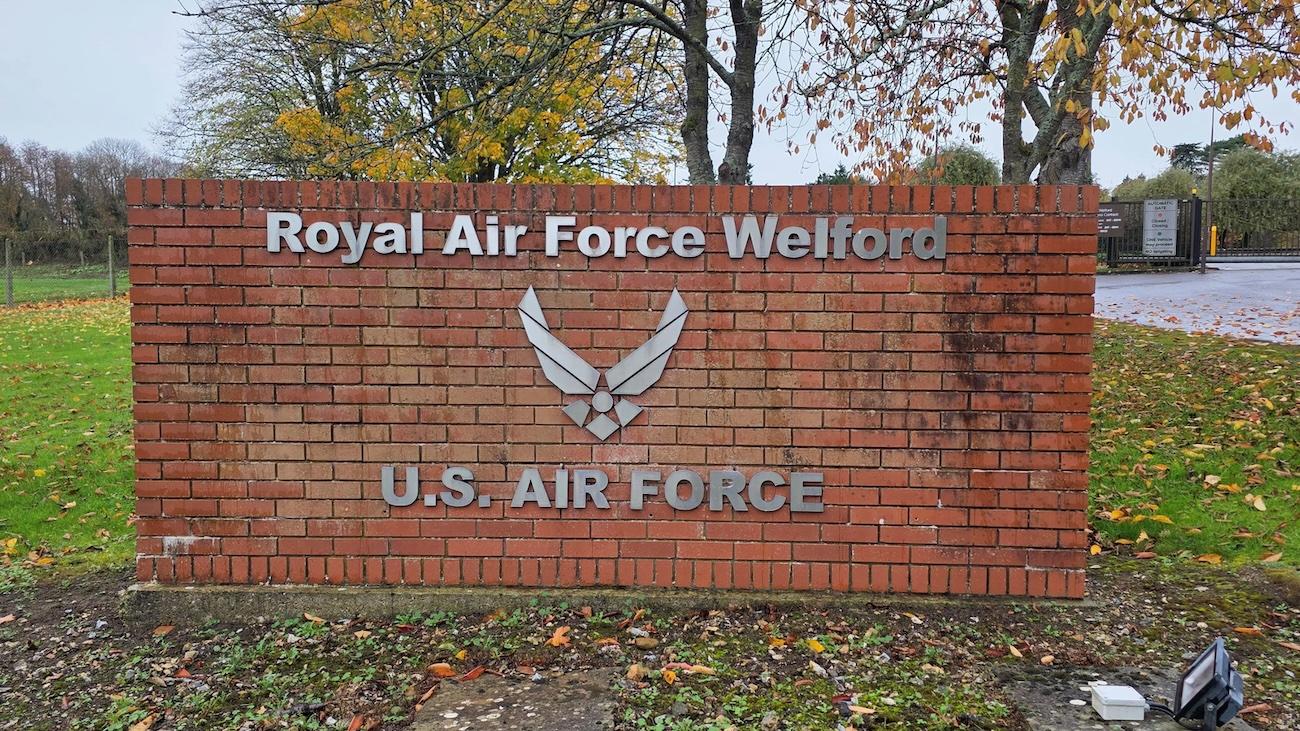
The entrance to RAF Welford in Berkshire. Image: Balfour Beatty.
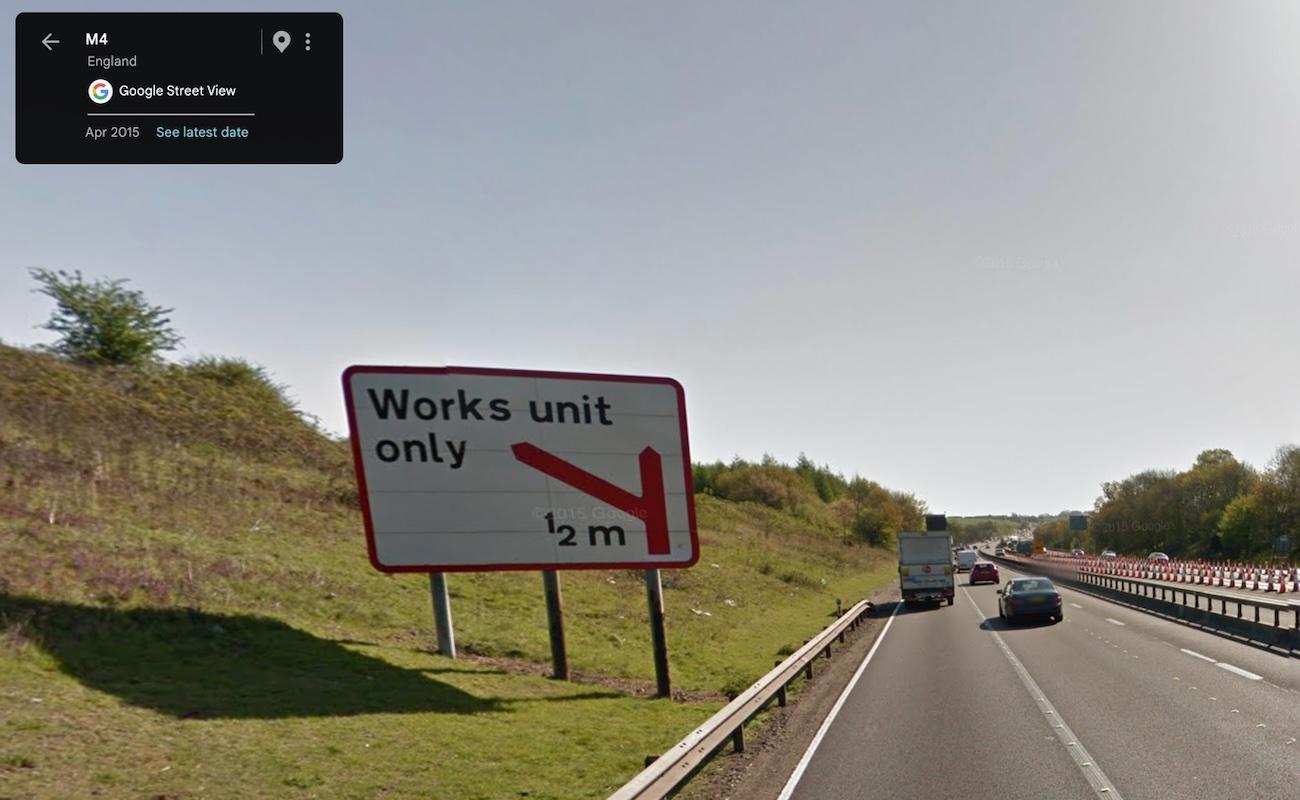
The previous, less deceptive, sign. Image: Google Street View, April 2025.
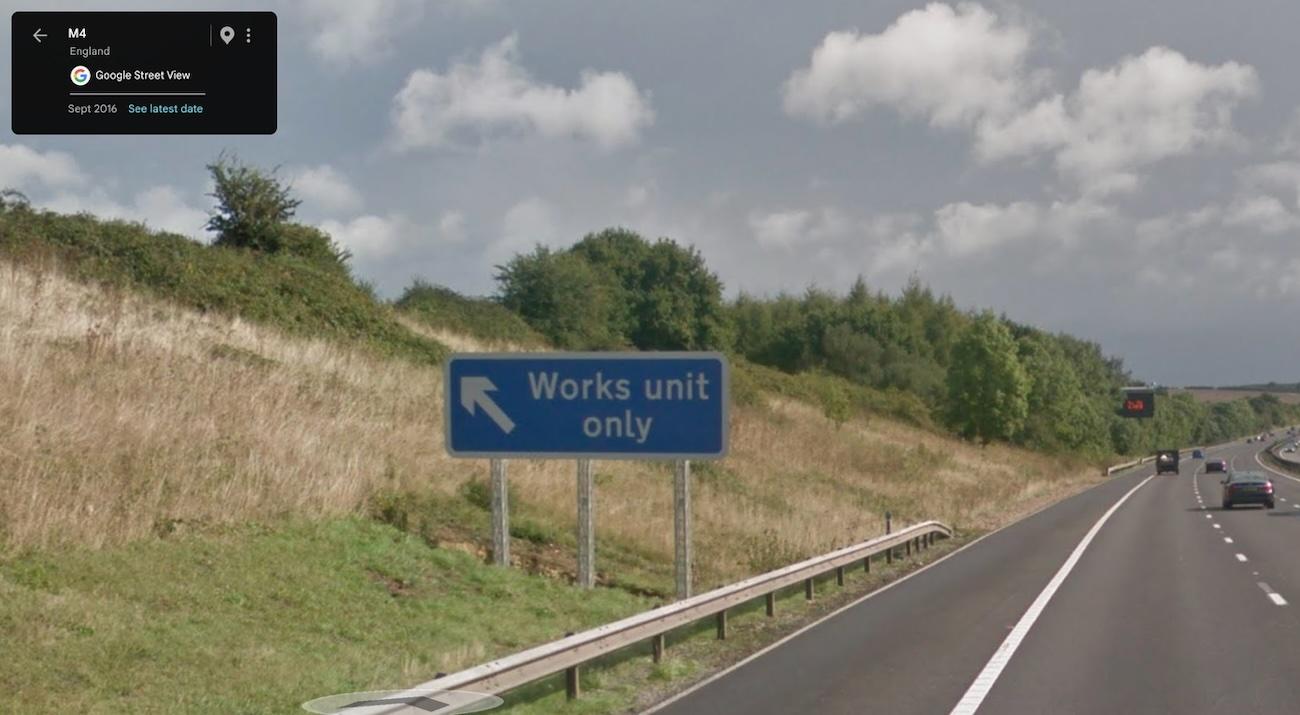
The replacement sign. Image: Google Street View, September 2016.
Munitions stored at, or supplied from, RAF Welford have supported USAF bomber operations from RAF Fairford in multiple conflicts, including the 1991 Gulf War (Operation Desert Storm) and the 2003 illegal invasion of Iraq, plus operations in Afghanistan, Syria, and elsewhere. Operations against Iranian targets in 2026 have involved bunker-busting and precision-guided bombs loaded for B-1B missions and launched from Fairford.
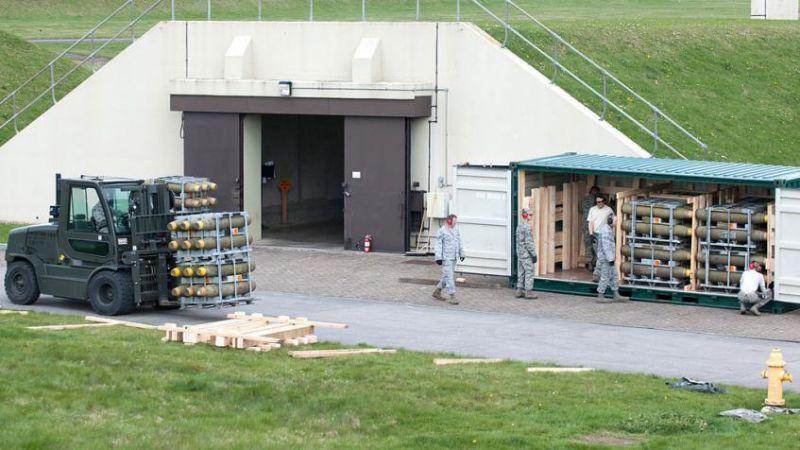
Bombs being loaded at RAF Welford
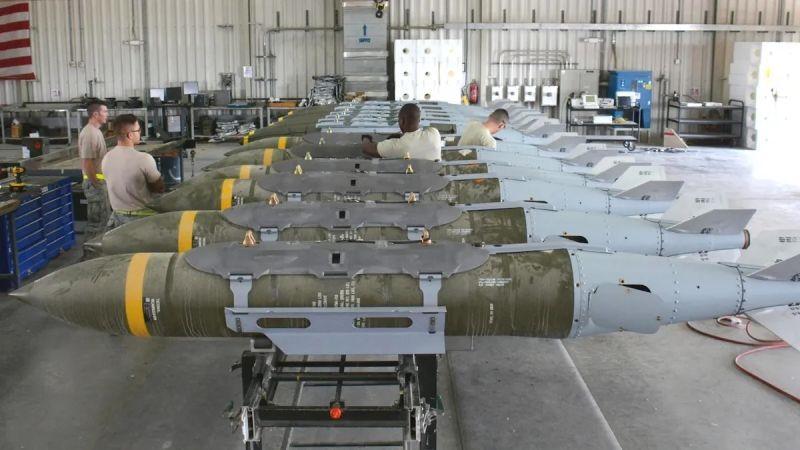
These JDAMs are among the types of bomb loaded at RAF Fairford. Image: USAF
The massive stockpiles of bombs at Welford are looked after by the USAF 420th Munitions Squadron, part of the 501st Combat Support Wing which is headquartered at RAF Fairford. Welford functions as the second largest conventional munitions storage area in Europe and one of the largest heavy munitions compounds for the entire United States Air Forces in Europe–Air Forces Africa (USAFE-AFAFRICA).
In May 2019, the USAF moved 450,000 pounds (200 tonnes) of explosives to the site which hides a huge variety of bombs. They include three key types — ‘smart’, ‘dumb’ and ‘stand off’:
- ‘Iron’ or ‘dumb’ bombs (Mk 82/Mk 84 ): 500-pound/2,000-pound unguided general-purpose bombs. Blast/fragmentation for troops, vehicles, buildings, rail yards, infrastructure.
- Joint Direct Attack Munition or ‘smart’ bombs (technically GBU-31 JDAM): These are GPS-guided 2,000-pound ‘precision’ bombs. They are essentially an add-on to ‘dumb’ bombs to make them more accurate. They can also use BLU-109 penetrator add-ons — so called ‘bunker busters’ — for hardened bunkers/underground facilities. Intended for military bunkers, infrastructure, fixed/relocatable targets. These, of course, were responsible for the attacks on civilian infrastructure and the inevitable civilian casualties caused.
- Joint Air-to-Surface Standoff Missile (AGM-158 JASSM): Stealthy long-range stand-off cruise missile for high-value, defended military targets from range. The US uses these if they want to avoid Iranian air defences and the possibility of their planes being shot down, as started to happen in April this year.
RAF Welford is directly linked to RAF Fairford, the USAF's primary bomber forward operating location in Europe. The 420th Munitions Squadron at Welford supplies munitions to bombers (including B-1, B-2 and B-52 bombers) deployed at Fairford, enabling heavy bombing missions. Moves occur when heavy bombers (B-1B, B-52) deploy to RAF Fairford for exercises or operations. Bombs are then fitted with JDAM kits and loaded onto aircraft.
These munitions and bombs are routinely transported by road between RAF Welford and Fairford, which lie on opposite sides of Swindon. Convoys — reportedly highly secure with armed escorts — travel west via the M4 motorway, a distance of approximately 32 miles. Movements often take place at night with no identifying markings on vehicles for operational security.
However, quite strict rules apply to transporting bombs on British streets and motorways! Military high explosives (UN Class 1) moved by road from RAF Welford to RAF Fairford are regulated under the Ministry of Defence Explosives Regulations (JSP 482) and JSP 800 Volume 4b (Transport of Dangerous Goods by Road).
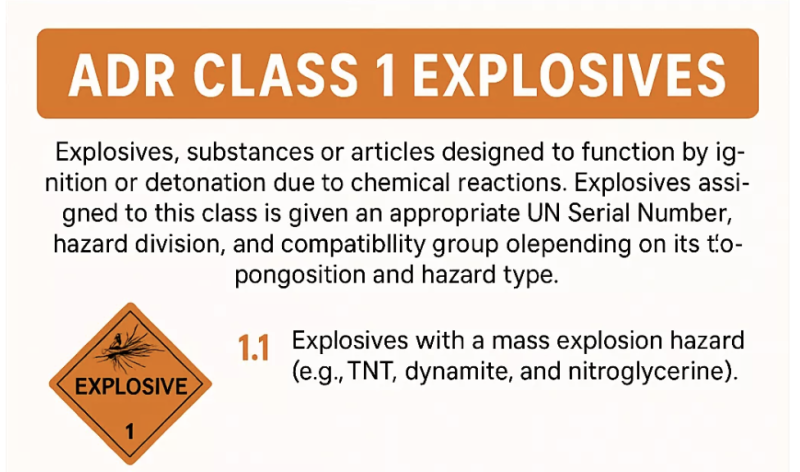
The signage required for each bomb convoy.
Convoy vehicles on the M4 are required to display plain orange plates at the front and rear of each transport unit, along with explosive hazard placards (Class 1 diamonds) on both sides and the rear. It’s not clear whether these rules are always adhered to.
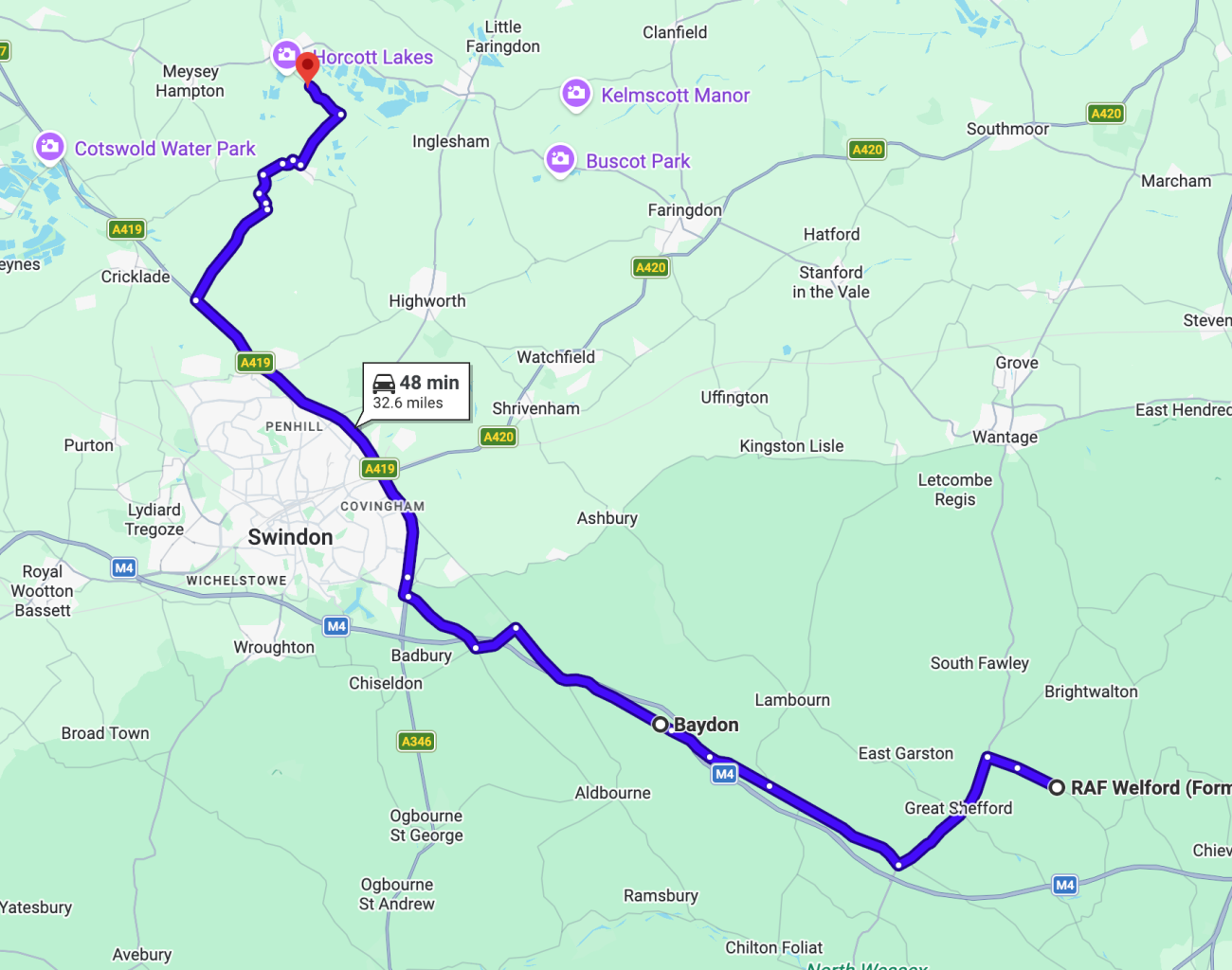
The route from RAF Welford to RAF Fairford is fairly restrictive and predictable. Image: Google Maps.