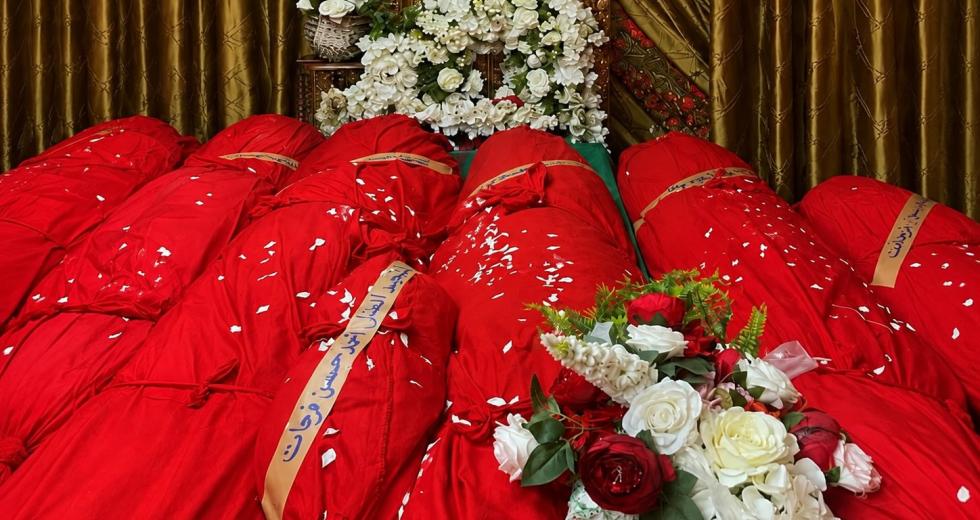
From the deliberate levelling of historic sectors within Nabatieh to the pre-dawn slaughter of a sleeping family in Kfar Rumman, Israel's escalating campaign in southern Lebanon is systematically destroying the foundations of civilian life.
Before an Israeli airstrike destroyed Nabatieh al-Fawqa’s Ghandour Hospital, I stood in front of the hospital hours after an initial Israeli attack on it. The attack burned vehicles and damaged the surrounding perimeter. Three Lebanese soldiers stationed inside an empty commercial building in the area had erected a barricade, explaining that the entire vicinity resembled a ghost town, not only due to ongoing Israeli strikes, but because a low-flying drone was continuously circling overhead, posing an immediate threat to any remaining residents.
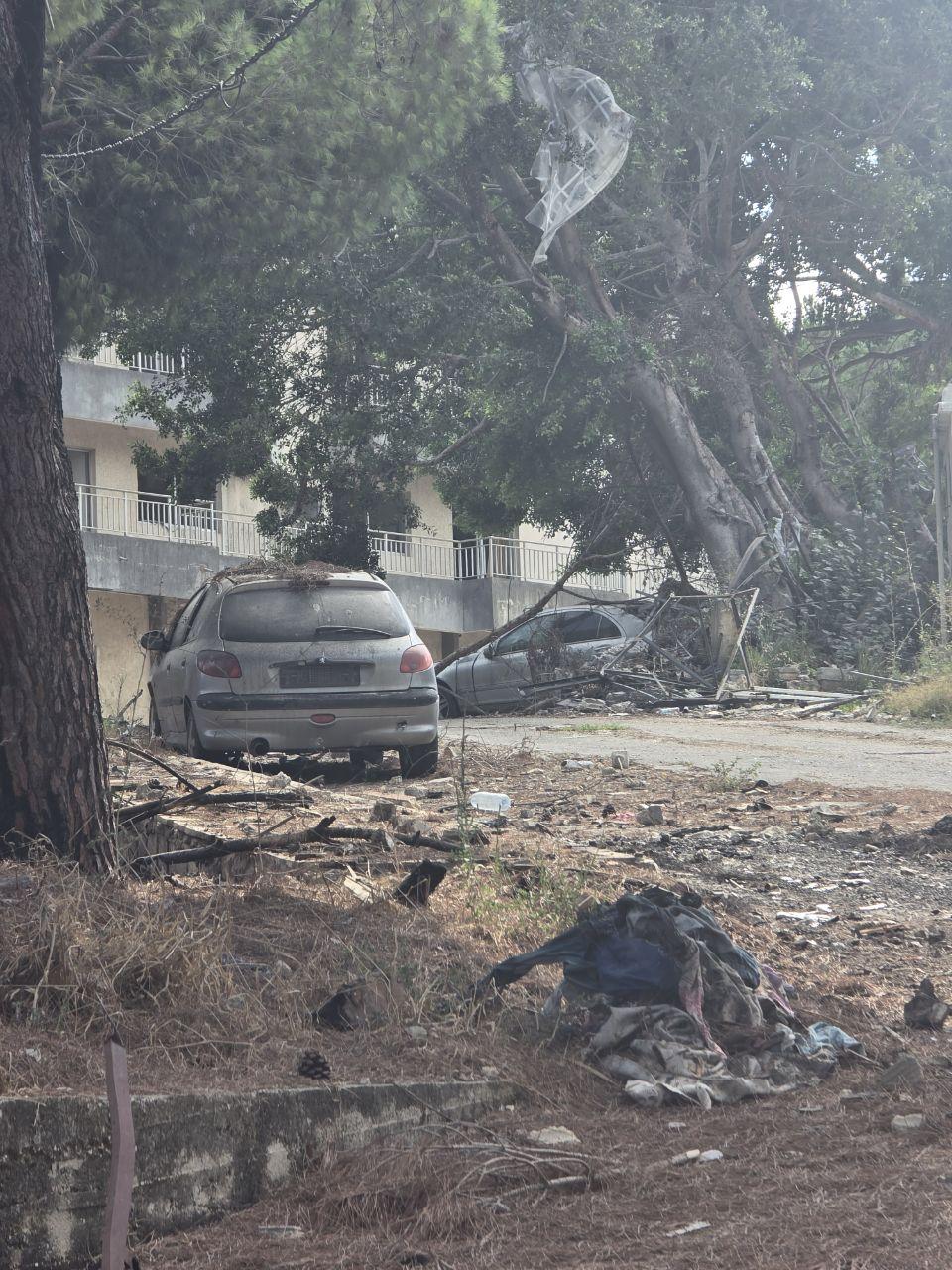
That initial strike served as a clear indicator of the deliberate destruction that would soon consume the entire facility. Ghandour Hospital had once functioned as a vital healthcare anchor years ago, providing essential medical services to generations of southern residents and acting as an indispensable lifeline, especially to the poor. According to residents I interviewed on the ground, the hospital was systematically targeted to deliver a direct message to the local population that no standing structure would escape Israeli military campaigns. “The hospital hasn’t been used in years”, a young woman told me. “They still hit it because [the Israelis] don’t want us to even have a potential place to serve the community.”
While the facility had already been forced to curtail its daily medical operations as the surrounding district endured relentless aerial bombardments, its eventual demolition represented a severe escalation in the destruction of civilian infrastructure. The initial assault damaged the perimeter and created widespread panic, but the subsequent strike on 6 September completely flattened the medical complex into a mass of shattered concrete and exposed rebar, effectively erasing one of Nabatieh's institutions of public health.
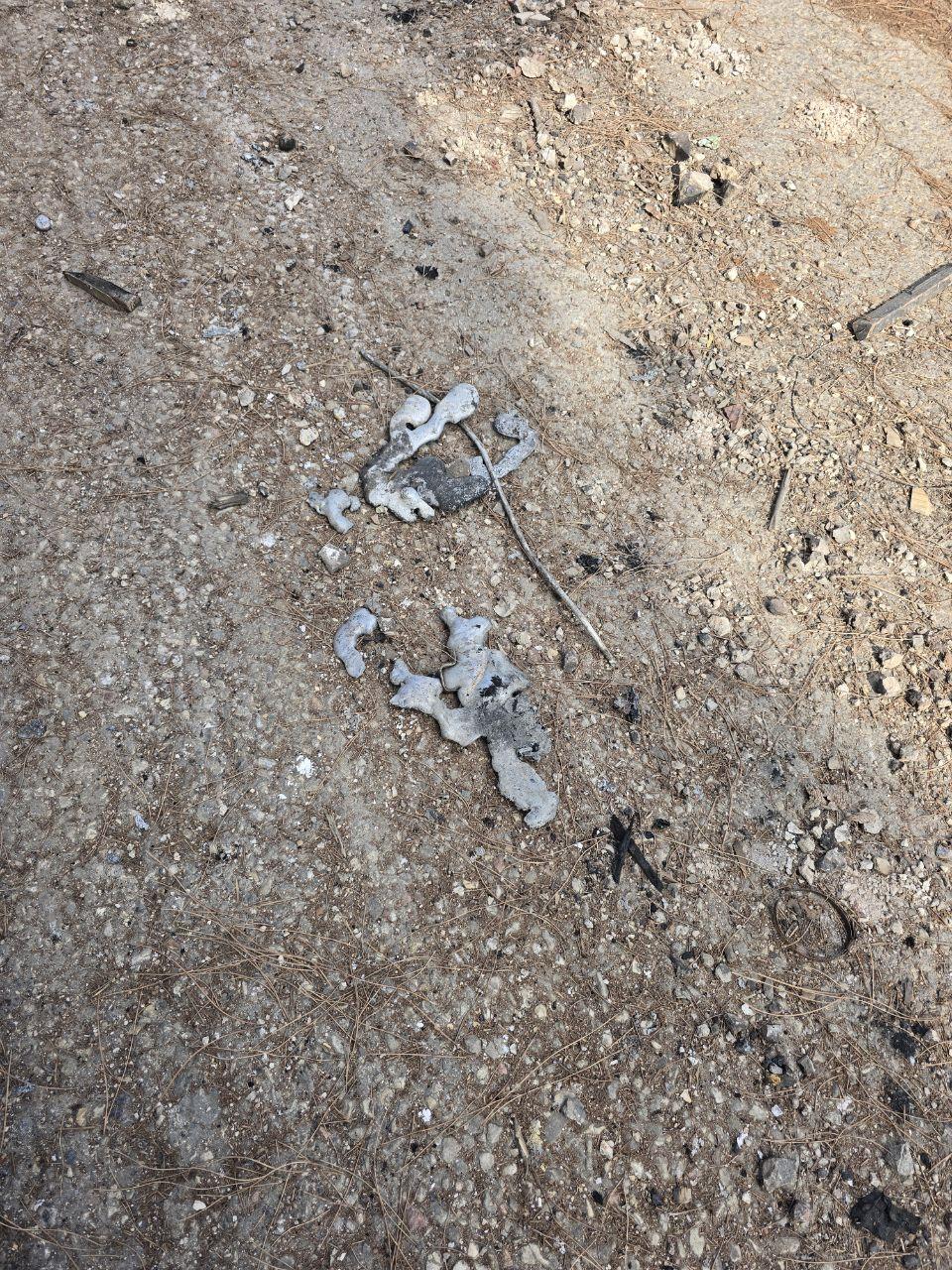
The bombing of Ghandour Hospital did not occur in a vacuum; it was part of a coordinated wave of Israeli violence that transformed southern Lebanon into a terrifying landscape of sudden death over a brutal span of days. That week alone, the broader death toll mounted aggressively, claiming dozens of lives as residential neighbourhoods, civilian vehicles, and Nabatieh’s historic quarters were subjected to uninterrupted aerial violence. Families who had stayed behind, guarding whatever fragments of their livelihoods remained, found themselves squarely in the crosshairs of an unrelenting Israeli campaign that ignored the fragile boundaries of the so-called ‘rule of law’.
Nowhere was this callous disregard for human life more starkly illustrated than in the nearby southern Lebanese village of Kfar Rumman, which bore the brunt of a horrific massacre that has devastated the community. In the pre-dawn hours, Israeli warplanes launched a devastating sequence of airstrikes directly into the heart of the village, levelling a residential building where families slept. That single strike killed 12 human beings instantly, turning a domestic refuge into a mass grave. The youngest victim was only 37 days old, and was still breastfeeding, according to one of his relatives. “He was still learning how to drink his mother’s milk”, she said in an Instagram post.
Among the hardest hit was the Farhat family, which was almost entirely wiped out by the Israeli attack. The bodies of parents, children, and infants belonging to the family were pulled from the pulverised building by rescue workers who sifted desperately through the dust under the persistent hum of overhead surveillance drones. The few survivors left behind — including two young children wounded in the wreckage, Mustafa and Zeinab Farhat — were cast into sudden, profound orphanhood, surrounded by the debris of a shared family life that had vanished before dawn. Minutes later, a separate strike in the same village targeted a civilian car, killing two paramedics from the Islamic Risala Scout Association attempting to reach the wounded, compounding a tragedy that already defied human comprehension.
One resident of Nabatieh al-Fawqa, who had been forcibly displaced with his family to nearby Nabatieh al-Tahta, said that the Israel threat on their town was a constant, unrelenting form of terror:
Not even the sounds of birds break through when the drones are flying low above us The Lebanese government is putting up checkpoints across south Lebanon for the sake of making us feel like the government is going to protect us, but here we are, still dying. If they won’t protect us, then they should at least stop standing in the way of the Lebanese resistance defending our land.
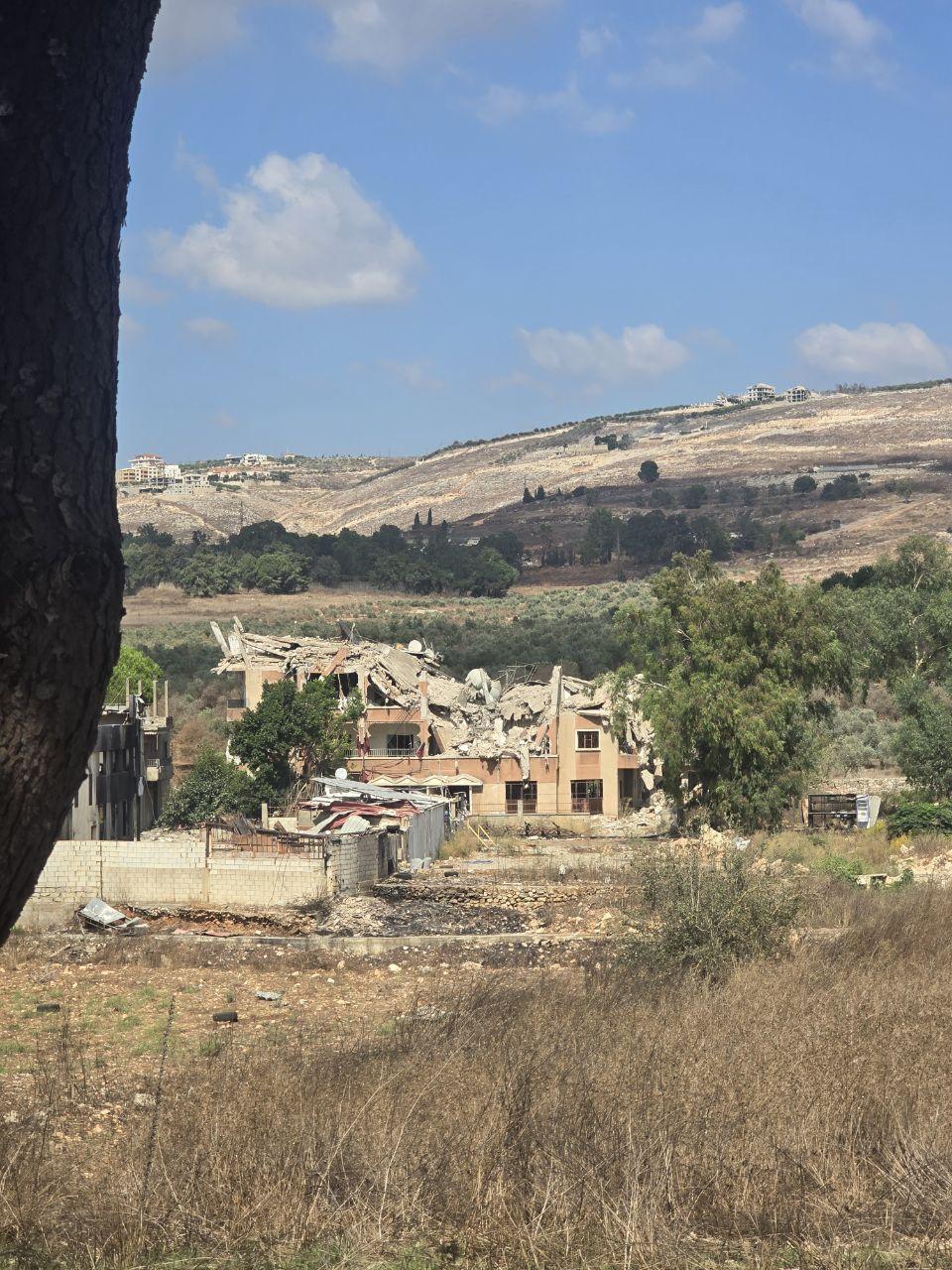
What continues to unfold in Nabatieh and across southern Lebanon is not the collateral damage resulting a war between Hezbollah and Israel, as Western media outlets have routinely framed this Israeli campaign of ethnic cleansing, but the calculated dismantling of the spaces that allow civilian life to persist. It is an Israeli campaign of terror designed to strip the native inhabitants of this land of their right to exist and resist an ongoing occupation. In this environment, the illusion of state protection dissolves entirely into the dust of the south. The silence of Lebanese authorities, matched only by the low hum of Israeli drones that dictate daily survival, cements a grim reality for the indigenous residents who remain. They are left to absorb the full weight of Israeli aggression alone, recognising that the institutions meant to secure their existence have abandoned them to the ruins of their own towns and villages.