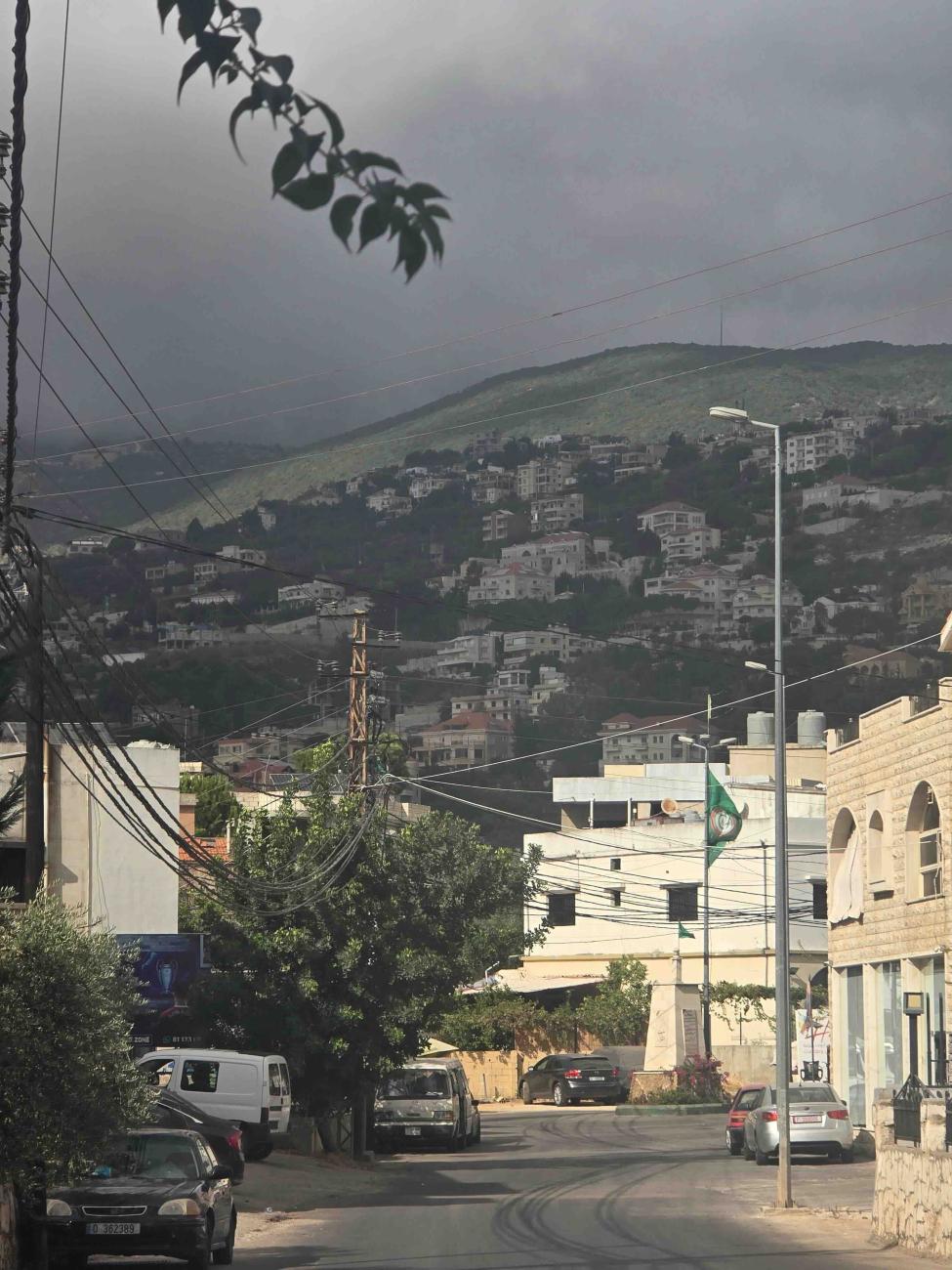
Nestled on the rugged, terraced slopes of the Iqlim al-Tuffah region in southern Lebanon, Arab Salim commands the heights overlooking the deep valleys descending toward the Litani River Basin. This is a landscape forged in persistence, carved into steep ridges where peasant agriculture and popular defence define daily survival. Iqlim al-Tuffah of the Apple Region has long occupied a strategic frontline position, bearing the systematic violence of the US-Israeli war machine without yielding an inch of its physical or political ground.
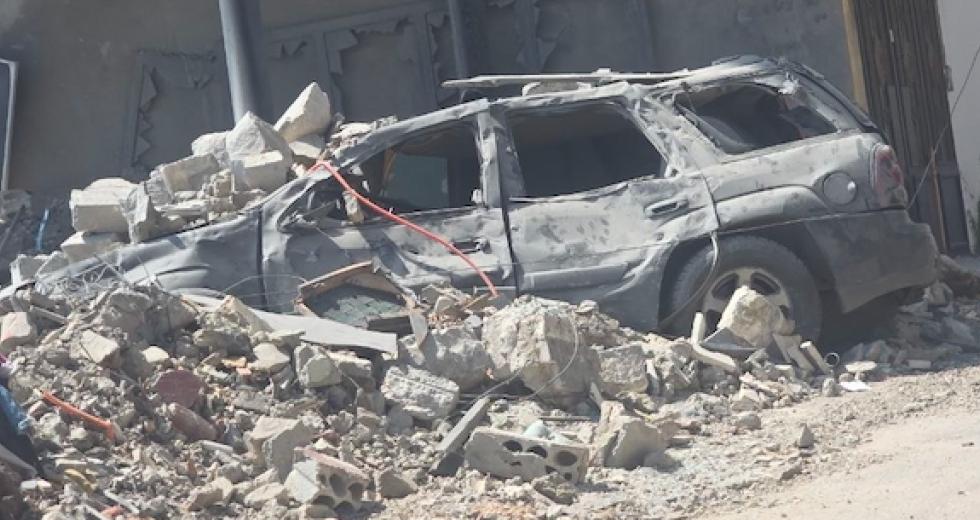
The village carries the living memory of prior massacres that have carved deep, bleeding trenches into its local history. Beyond the November atrocities that targeted civil defence infrastructure and murdered rescue workers, Arab Salim bore a devastating family massacre when an Israeli airstrike destroyed the home of the Farhat family, reducing an entire household to rubble. That horrific strike murdered Ihab Farhat, his wife Hanan Zaiour, their young children, alongside Zainab and Batoul Youssef Farhat, wiping out generations in a single flash of US-backed Israeli terror.
Recalling the horrors of these preceding attacks, surviving relatives and neighbours have spoken out about the sheer impunity of the Israeli bombardments. In interviews conducted amidst the rubble of earlier strikes, family members described the desperate search for loved ones through the devastation.
“There was no warning before the strike”, Qassem Ayoub, a local neighbour and town police officer who lived through the horror, told The Guardian back in March. “My own two kids started to cry, I picked them up and started to run away from the explosion when it happened. Why were they targeted? I don't know, ask the Israelis”.
Rather than breaking the populace, Israeli attacks have hardened a regional culture of immediate communal solidarity, and deepened their resistance against Israeli occupation.
That unyielding posture met the raw, unadulterated brutality of an Israeli airstrike on Thursday, 27 August, when Israeli warplanes tore through the heart of the village, razing a civilian home and murdering 28-year-old Saja Mousa Sharara. Sharara was a young woman whose life was stolen away no more than 48 hours after she had celebrated her wedding. Instead of marking the continuation of her life and family in the village, her death transformed into a mass popular demonstration of a community that rejects passive victimhood and transforms grief into revolutionary resolve.
Immediately after the strike, her husband rejected Israeli claims that his home was ‘Hezbollah infrastructure’, insisting that their family was entirely civilian. He argued that the attack exposed a total lack of distinction between civilians and combatants, proving that civilian lives mean nothing to an occupier that is driven entirely by destruction.
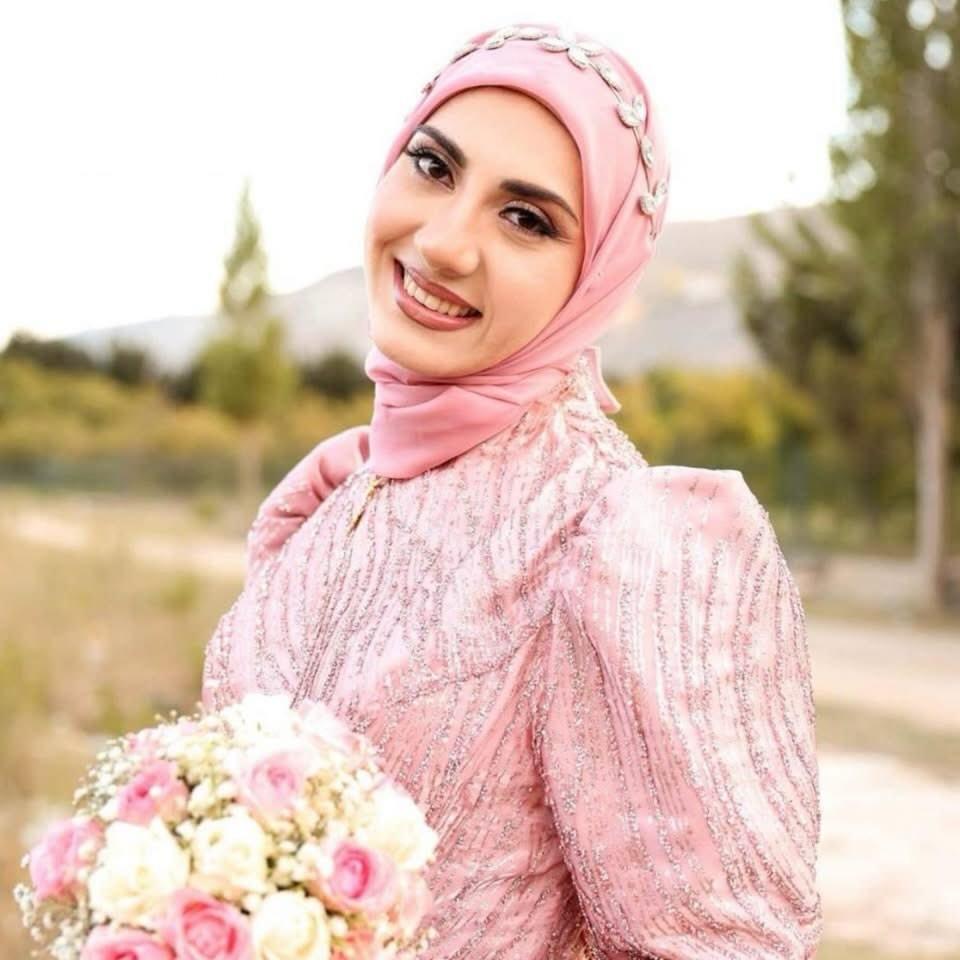
In an interview with Al Mayadeen, correspondent Jamal Ghourabi interviewed a cousin of Saja Sharara, who also pushed back against Israeli claims. “The Israelis are making up claims in order to justify their actions”, she remarked. “Israel is well known as the ultimate enemy to everyone. She was completely innocent”.
Her cousin also emphasised that despite Saja being a bride, she refused to allow women in the village to ululate to celebrate her wedding, out of respect for the fact that there were martyrs, killed by Israel in previous attacks, who had died in the village. “Now we are here to shower her with roses and ululate for her journey”, her cousin said.
Rather than breaking his spirit, he said the killing of Saja exposed the emptiness of international law, and it proved that armed resistance is the only realistic way for people to defend themselves against an enemy that only respects force.
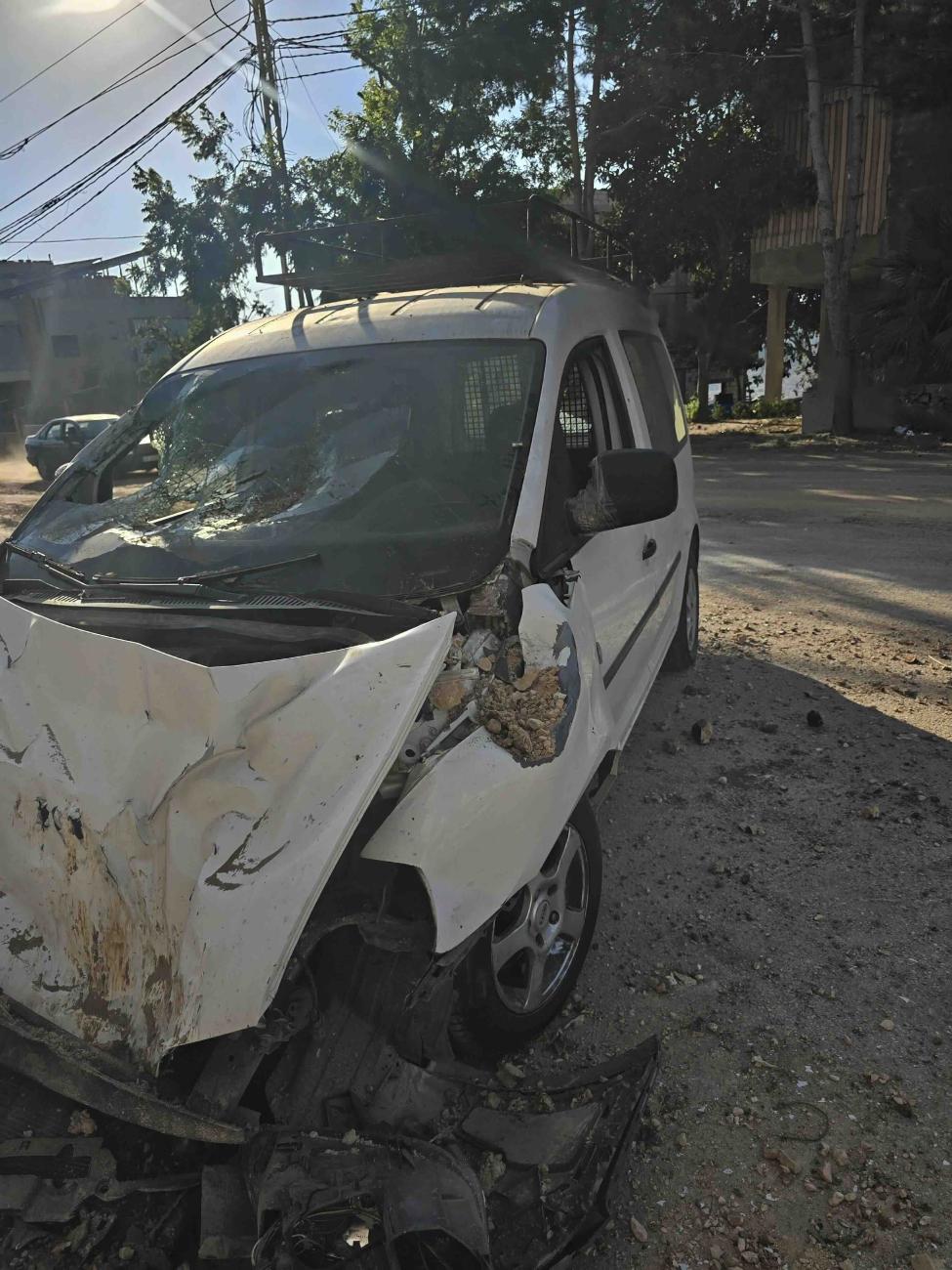
That steadfastness and unyielding spirit was visible immediately on the ground as I entered the village. Hours after the smoke cleared from the neighbourhood, local youth and residents were already moving through the wreckage with shovels and brooms, clearing debris from the blocked arteries of the municipality to restore public movement.
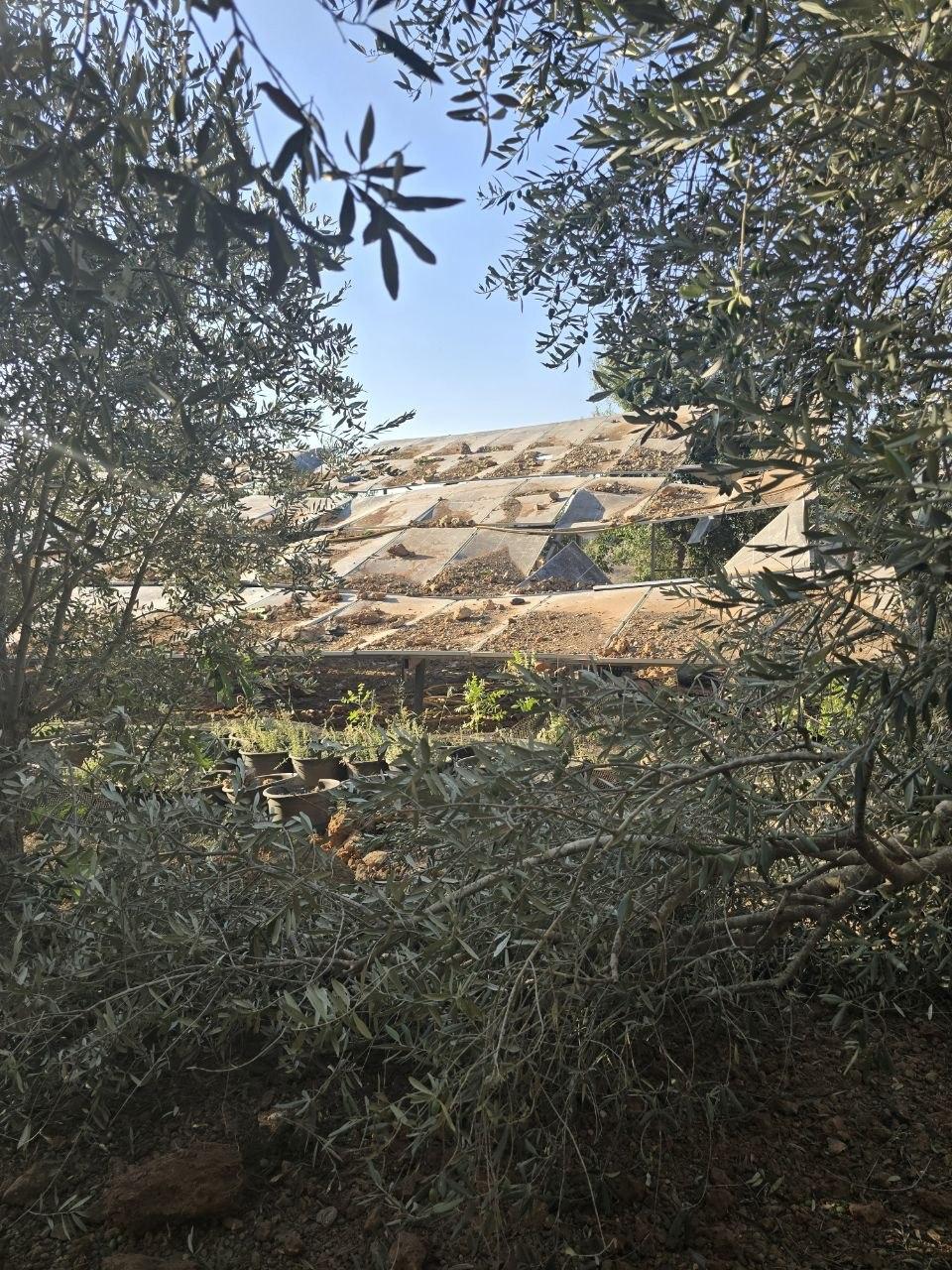
As I arrived in the village square, an older resident surveyed the wreckage of his family’s olive grove — centuries-old trees split in half, the earth churned deep by shrapnel. As we both looked out over the valley, he told me he had no patience for surrender. “I wasn’t home when they hit, and I could have easily been killed, but it’s OK. What the Israelis do is nothing new to us here”, he told me. “No living thing in the south is being spared, not even the plants. But none of it is new for us. This is how Israel is, in its purest nature. It snuffs out life”. The strategy of destroying the orchards or their homes would not work, he insisted, pointing to the neighbours already clearing the debris to ensure life carried on right where it was targeted.
In Arab Salim, as across the bleeding expanse of south Lebanon’s Iqlim al-Tuffah, survival is not a passive endurance; it is a deliberate, militant refusal to vanish or to stop living. Israeli attacks may reduce homes to rubble and steal away a bride days after her wedding, but they leave untouched the bedrock of a community that knows its only true defence is to stay rooted to the soil, holding the high ground against an occupier that understands nothing else.